
Can Track Bikes Overheat? Causes and Fixes

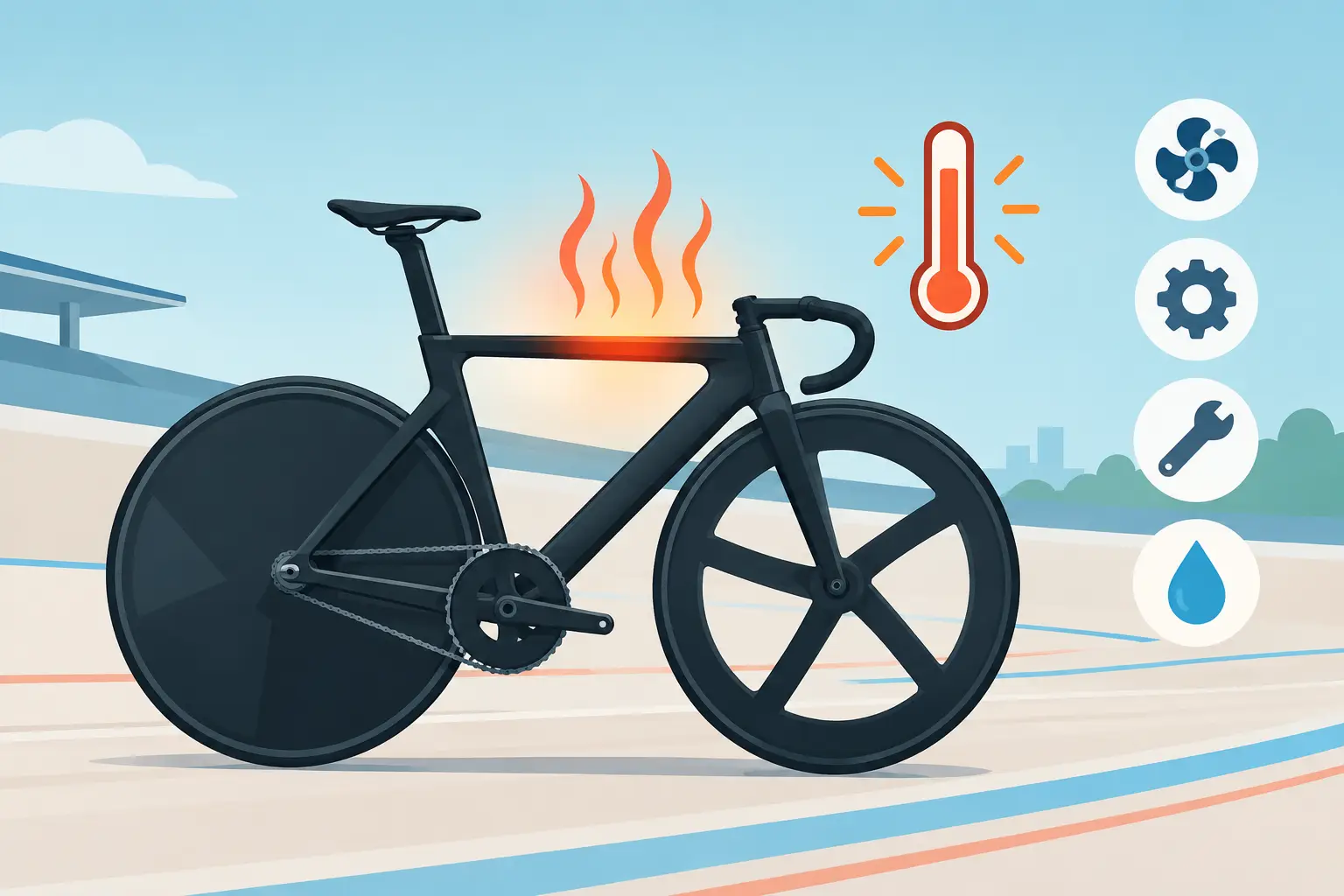
A sport bike can look perfectly healthy in the paddock, then push its coolant temperature into the danger zone after a few hard sessions. So, can track bikes overheat? Absolutely. Track use places a sustained load on the engine that street riding rarely matches, while reduced airflow in braking zones, pit lane, traffic, and hot paddock conditions can expose weak points in the cooling system.
A high temperature reading is not automatically a failure. Modern sport bikes commonly run hot, especially under race pace. The issue is whether the temperature stabilizes, whether the fan can recover the bike during low-speed running, and whether coolant is being pushed out, pressure is being lost, or performance is falling away. The right response is diagnosis, not panic.
Why Track Bikes Overheat Under Race Pace
On the street, a motorcycle gets frequent breaks from full load. Throttle openings vary, traffic may slow the pace, and long high-speed runs can provide steady air through the radiator. A track bike sees repeated acceleration, hard braking, high rpm, and extended time near peak cylinder pressure. Every one of those laps creates heat that the cooling system must move out of the engine and reject through the radiator.
The radiator does receive strong airflow at speed, but that does not solve every problem. At a technical circuit, the bike may spend more time in lower gears and at lower speeds than riders expect. Behind another bike, airflow can be disrupted. A hot ambient day reduces the radiator’s temperature advantage. And once the checkered flag comes out, the slow ride back to the paddock can be the moment temperatures climb fastest.
Race fairings can also change how air moves through and around the bike. A properly fitted fairing and ducting package supports airflow through the radiator. Poorly positioned foam, debris screens, oversized number plates, damaged inner panels, or improperly routed hoses can reduce that flow. Track preparation is not only about removing street equipment. It is about retaining the airflow management the cooling system needs.
Normal Heat vs. an Actual Overheating Problem
Every model has its own normal operating range, so use the manufacturer manual and your motorcycle’s known baseline rather than copying a temperature number from another rider’s dash. A bike that regularly sits at one temperature on a 70-degree day may read substantially higher on a 95-degree day without being in trouble.
The concern starts when the temperature continues rising at speed, climbs much faster than usual, fails to come down after a cool-down lap, or repeatedly triggers warning indicators. Coolant smell, steam, a wet catch bottle, coolant residue around the cap or hose joints, and visible overflow are clear signs that need attention. Do not keep circulating simply because the engine still runs.
A loss of power can also point to excess heat, although it is not proof by itself. Modern ECUs may reduce power or alter strategies when temperatures exceed a protection threshold. Heat soak can make the bike feel soft after coming off pit lane. Detonation risk rises when engine and intake temperatures are uncontrolled, particularly on high-compression engines tuned for aggressive performance.
Watch the Temperature Trend
A single peak number matters less than the trend. If the bike reaches a stable temperature during a hard session and drops quickly on the cooldown lap, the system is likely doing its job. If it gains several degrees every lap until it reaches a warning condition, cooling capacity is not keeping up with the heat load.
That distinction helps separate a normal hot-day reading from a restriction, leak, air pocket, failing fan, or setup issue. Logging data through the dash or an ECU system gives racers a much clearer picture than trying to remember the highest number seen at pit-in.
The Most Common Track-Day Causes
Start with the basics before shopping for upgrades. Low coolant level is one of the most common and most avoidable causes. Check the system cold, inspect the overflow or catch tank, and look for staining at hose connections, the water pump weep hole, radiator seams, and the pressure cap. A tiny leak may not leave a puddle, but it can lower pressure and reduce the coolant’s boiling margin.
Air trapped in the cooling system is another frequent issue after a coolant change, hose replacement, crash repair, or engine work. An air pocket around the thermostat housing or cylinder head can create unstable temperature readings and localized hot spots. Bleed the system according to the model-specific service procedure. Guessing at the process is not worth an engine.
Radiator condition matters more than it appears. Bent fins, packed rubber debris, bugs, gravel, and track grime restrict airflow. Carefully straighten damaged fins where practical and clean the core from the back side outward. Do not blast a radiator with high-pressure water at close range. It can fold the fins tighter and make the restriction worse.
The water pump, thermostat, radiator cap, and fan all deserve inspection. A thermostat that does not open fully limits circulation. A worn water-pump impeller or damaged drive can reduce flow under load. A weak pressure cap can allow coolant to boil at a lower temperature. Fans matter mainly at low speed, in the paddock, and on the return road, but a non-functioning fan can turn a manageable heat situation into an overflow quickly.
Oil level and oil condition also affect heat control. Engine oil carries heat away from heavily loaded internal components. Running low on oil, using an unsuitable viscosity, or stretching change intervals on a track bike creates extra thermal stress. Use the oil grade specified for the engine and shorten service intervals to match actual track hours, not just street mileage.
Cooling Upgrades That Actually Make Sense
A larger-capacity radiator can be a smart upgrade for a race-prepared motorcycle that is consistently heat-limited, especially on hot-weather tracks or heavily tuned engines. More core area and fluid capacity give the system more ability to shed heat. But a premium radiator cannot compensate for a blocked core, trapped air, a failing cap, or incorrect coolant fill.
High-quality silicone hose kits can improve durability and consistency under repeated heat cycles, while secure clamps and properly routed lines reduce the chance of a session-ending leak. These are reliability upgrades first. They do not create cooling capacity on their own, but they help the system maintain pressure and circulation when the bike is working hardest.
Coolant choice requires attention to your track organization’s rules. Many organizations prohibit glycol-based antifreeze because it becomes extremely slippery when spilled. Distilled water with an approved racing additive is common for track and race use, while street bikes often need antifreeze for freeze protection and corrosion resistance. Never make the switch without confirming the requirements for your event, climate, and storage conditions.
For modified engines, cooling should be considered alongside the complete setup. Higher compression, advanced ignition timing, lean fueling, exhaust changes, and aggressive ECU calibration can all increase combustion heat. If the temperature issue appeared after tuning, do not assume the radiator is the only answer. Verify fueling, ignition strategy, fan control settings, and sensor accuracy with the tuner.
A Practical Paddock Inspection Routine
Before the first session, check coolant level when the bike is cold, confirm the radiator cap is seated correctly, and inspect hoses for swelling, abrasion, or seepage. Make sure the fan cycles when the engine reaches its activation temperature. Look through the radiator core for packed debris and inspect the catch bottle or overflow arrangement required by your organization.
After each session, read the temperature trend before shutting the bike down. Check for coolant odor, drips, or fresh residue. If temperatures were higher than expected, let the bike cool completely before opening the system. Opening a pressurized radiator cap when hot is a fast way to get burned and lose more coolant.
If a bike overheats during a session, reduce load immediately and exit safely. Do not continue at race pace hoping the airflow will fix it. A brief cool-down lap may be appropriate only when the temperature is stable and there are no signs of coolant loss, but a warning light, steam, or overflow calls for pit lane and inspection.
Build Reliability Before Chasing Lap Time
Track cooling is a system, not a single part. A clean, properly bled radiator with the right cap, healthy hoses, correct coolant, and accurate tuning will usually outperform a collection of upgrades installed around an unresolved fault. For riders building a bike for repeated hard use, AXF Race Parts focuses on fitment-specific, race-ready components that make it easier to choose parts with purpose rather than guesswork.
Treat a rising temperature reading as useful feedback from the motorcycle. Find the cause early, correct it properly, and your next session can be about braking markers and corner exits instead of watching the dash.