

Best Slipper Clutch for a Track Bike

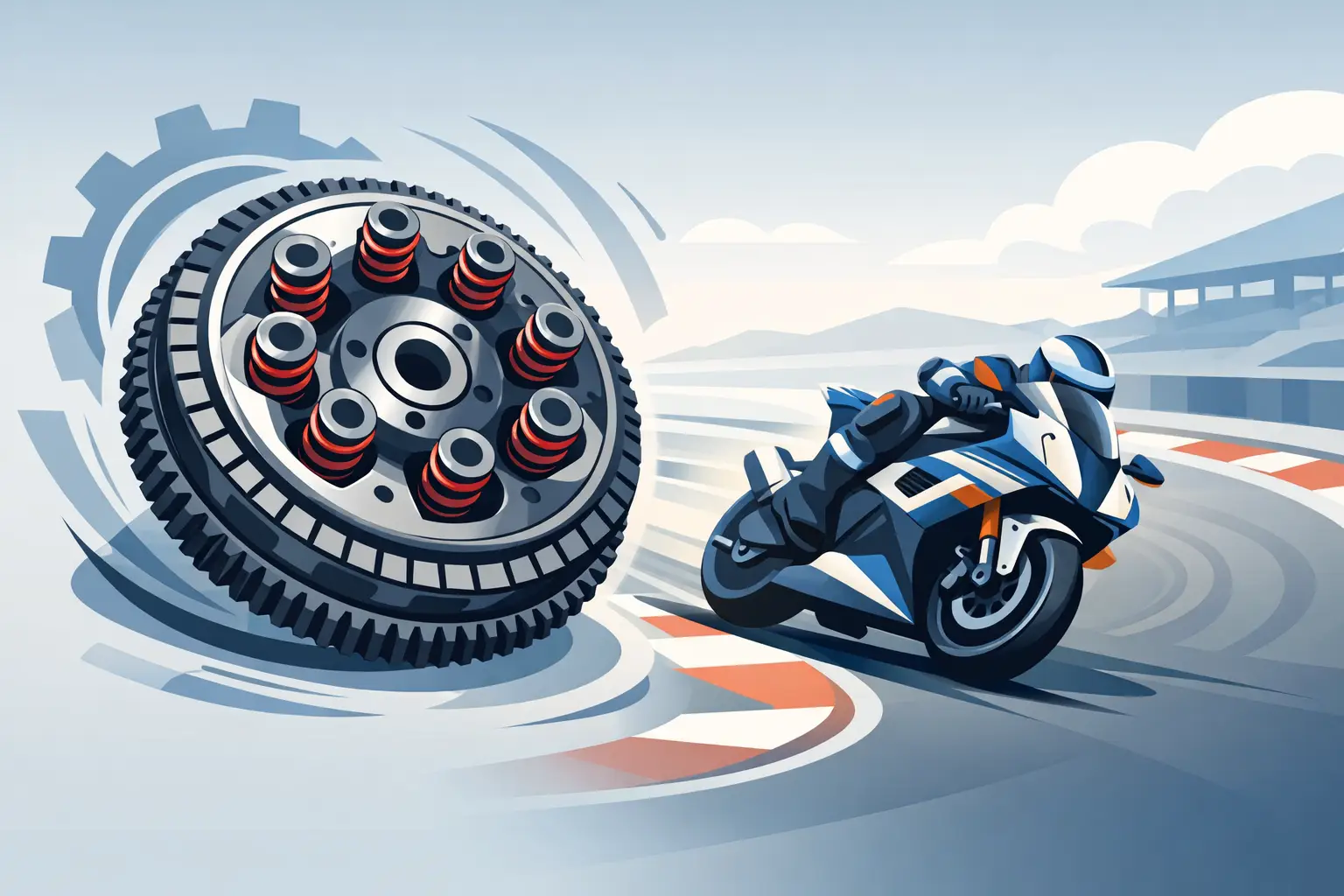
Miss one aggressive downshift into a fast corner and the rear tire will tell you exactly why slipper clutches matter.
On a track bike, a slipper clutch is not a cosmetic upgrade or a nice-to-have part. It is a control part. It helps manage engine braking, reduces rear wheel hop under hard deceleration, and gives the rider a calmer chassis when braking deep and banging down gears. If you are shopping for the best slipper clutch for track bike use, the right answer is rarely a single brand for every rider and every bike. It depends on your platform, your pace, your setup, and how much adjustability you actually plan to use.
What makes the best slipper clutch for track bike use?
The best unit is the one that stays consistent under heat, matches your engine character, fits your riding style, and has proven support for your bike. For most track riders, that means four things matter more than marketing claims.
First is slip control under hard deceleration. A good slipper clutch should let the bike enter the corner without excessive chatter or rear instability, but it should not feel vague or overly soft. Too much intervention can make the bike feel disconnected from the rear tire. Too little and you are back to managing hop with your left hand and right foot.
Second is lever feel and clutch engagement. Some premium units improve not just back-torque management but overall clutch action. That matters on corner entry and on launch, especially for riders mixing track days with race starts or using the bike in multiple formats.
Third is durability. A track bike lives at higher RPM, sees more heat cycles, and asks more from the drivetrain than a street bike. Plate wear, basket quality, hub machining, and spring consistency all matter. Cheap shortcuts show up quickly when the bike gets ridden the way it was built to be ridden.
Fourth is fitment and parts support. This is where many buyers get tripped up. The best slipper clutch on paper is not the best choice if replacement plates, springs, ramps, or setup guidance are hard to get for your exact bike.
The big question: STM, OEM, or another premium option?
For serious track and race applications, riders usually land in one of three lanes.
An OEM slipper clutch is often the starting point. Many modern superbikes and supersport bikes already come with a decent factory unit. On newer Ducati, Yamaha, BMW, Kawasaki, Honda, KTM, and Aprilia models, the stock system can be surprisingly capable for intermediate track-day pace. If your current setup is predictable and you are not dealing with severe chatter or inconsistent corner entry, an aftermarket replacement may not be urgent.
But OEM units are typically built around broad-use compromise. They need to work on the street, pass durability targets, and suit a wide range of riders. That is not the same as being optimized for repeated hard braking zones and race-level downshifts.
A premium aftermarket unit, especially from a race-proven manufacturer like STM, moves the conversation from basic function to refined control. STM slipper clutches have strong credibility in racing for a reason. They are known for precise machining, strong consistency, and applications across a wide range of sport bikes. They also tend to appeal to riders who want a more direct performance gain rather than just replacing worn stock parts.
Other premium options can also be the right answer depending on bike model and availability. The key is not chasing a logo. It is choosing a clutch with real fitment support and a setup range that suits your use case.
Why STM is often in the conversation
If you ask experienced track riders to name the best slipper clutch for track bike performance, STM comes up fast. That is not hype. It is because STM has a long racing history and a reputation for predictable operation under load.
Their units are generally attractive to riders who want sharper corner-entry behavior and a purpose-built race component rather than a street compromise. The machining quality is high, the response is consistent, and the brand has broad recognition in paddocks where parts earn their place the hard way.
That said, STM is not automatically the right buy for every rider. If you are a novice track-day rider on a bike with a competent stock slipper, your money may return more value elsewhere first – brake feel, suspension setup, rearsets, or data. A slipper clutch upgrade becomes easier to justify when you are actively pushing braking markers, carrying more corner-entry speed, and looking for repeatable behavior lap after lap.
Bike-specific fitment matters more than brand reputation
A slipper clutch is not a universal performance part. It is deeply tied to engine braking character, clutch stack design, and model-specific fitment.
A Ducati V-twin or V4 can ask very different things from a slipper clutch than a high-revving inline-four Yamaha R6 or Kawasaki ZX-6R. A BMW S 1000 RR rider may prioritize clean, stable decel at very high speeds, while an Aprilia RSV4 rider may be more sensitive to how the bike settles into corner entry with its own engine-braking traits. Even within one manufacturer, year-to-year changes can affect compatibility and performance.
That is why fitment-based shopping matters. On a site like https://shop.axfraceparts.com, the advantage is not just brand access. It is being able to narrow by make, model, year, and category so you are not guessing your way into an expensive driveline part.
How to choose the right clutch for your pace
If you are doing occasional track days and your bike already has a factory slipper, start by being honest about the problem you are trying to solve. Are you getting real rear chatter on hard entries, or are you masking setup issues from suspension, tire condition, or downshift timing? A slipper clutch cannot fix poor corner-entry technique or a badly sorted chassis.
If you are an advanced track-day rider or club racer, the upgrade case gets stronger. At that pace, stability under repeated hard braking is worth real lap time and confidence. The bike stays calmer, you can focus on line and release pressure more cleanly, and the risk of unsettling the rear during rushed downshifts drops.
If you are building a dedicated race bike, the decision is simpler. A premium slipper clutch is one of the core drivetrain upgrades that belongs in the package. It supports consistency, and consistency is speed.
Setup trade-offs most riders ignore
A slipper clutch is not better just because it slips more. Too much slip can reduce the engine-braking feel some riders use to help rotate the bike. Too little slip can make the rear nervous when grip falls off or braking intensity goes up.
There is also a maintenance trade-off. A race-focused unit may ask for more attention than a stock setup. That is not a flaw. It is part of owning a high-performance component. Riders who want the sharpest performance usually accept that periodic inspection, stack checks, and proper installation come with the territory.
Budget matters too. If your bike still needs suspension service, quality pads, lines, and proper tires, a slipper clutch should be evaluated in context. On a fully sorted bike, it can be a serious gain. On an unfinished bike, it may be a premium part added out of sequence.
Signs your current clutch is holding the bike back
If the rear tire chatters regularly on downshifts, if corner entry feels inconsistent from session to session, or if the clutch action changes noticeably as heat builds, your current setup deserves a closer look. The same goes for worn stock components on an older track bike. Riders often tolerate driveline behavior they would never accept from brakes or suspension simply because the problem shows up in short moments under pressure.
That short moment is exactly where lap time and confidence live.
So what is the best slipper clutch for track bike riders?
For many serious riders, an STM unit is the safest premium answer because it combines race credibility, build quality, and broad fitment support. If your bike has a weaker or aging stock setup, or if you are chasing more composed corner entry at a higher pace, it is a strong choice.
But the real best choice is the clutch that matches your bike and your workload. On some newer machines, OEM may be good enough until the rest of the package catches up. On dedicated race builds, a premium aftermarket slipper clutch makes far more sense early in the process.
Buy for the bike, not the forum hype. Buy for your pace, not your wish list. And if you are on the edge of braking deeper, downshifting harder, and asking more from the rear tire every session, this is one of those parts that can make the whole motorcycle feel more settled where it counts most.
A fast bike needs power. A quick track bike needs control.

 Canada
 USA
USA Japan
Japan