

Brembo Master Cylinder Upgrade Guide

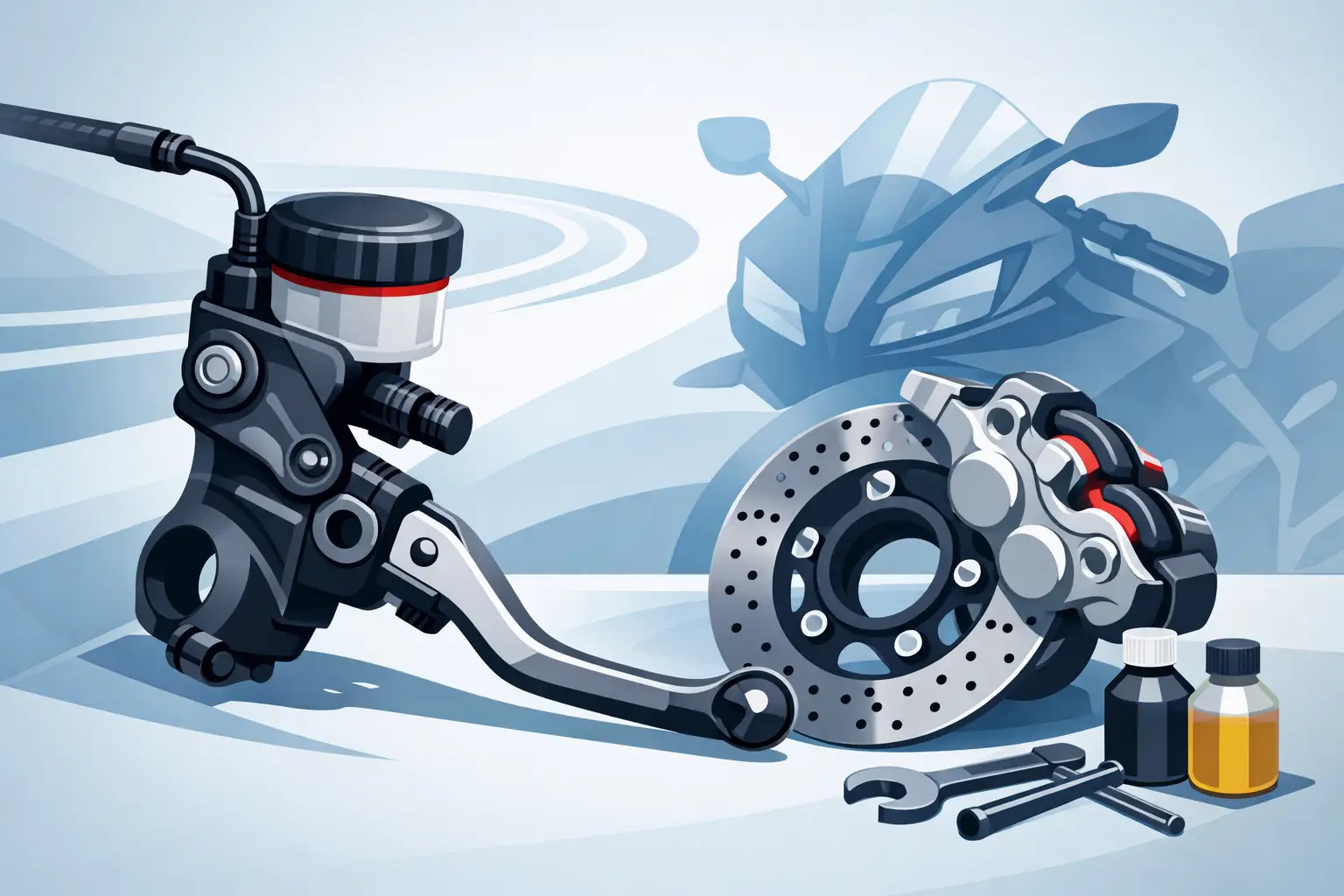
A front brake upgrade can transform a bike faster than most riders expect. If your lever feels vague at the first touch, gets busy mid-corner, or asks for too much hand pressure at the end of a straight, the master cylinder is often the real bottleneck – not the caliper.
That is why a Brembo radial master cylinder is one of the first serious braking upgrades on track bikes, race builds, and aggressive street machines. Done right, it gives you cleaner pressure build, better lever consistency, and more precise control at the limit. Done wrong, it can leave you with a lever ratio that feels too sharp, too soft, or simply mismatched to the rest of the system.
Brembo master cylinder upgrade guide – what changes first
A master cylinder upgrade changes how hydraulic pressure is generated and delivered to the calipers. On the bike, that means more than just “stronger brakes.” The bigger gain is control.
A quality Brembo setup typically improves initial bite feel, feedback during trail braking, and consistency under repeated hard use. Racers and track-day riders notice it most when they are braking deeper and releasing pressure more gradually into the corner. The lever becomes easier to read. You can feel where the tire is loaded instead of guessing.
That said, more performance is not always about the biggest or most expensive unit. Piston size, lever ratio, caliper volume, line setup, and intended use all matter. A street rider on OEM calipers may want a different setup than a club racer on monoblocks with race pads and high-temp fluid.
Start with the system, not the part number
Before buying anything, look at the full front brake package. The master cylinder has to match the calipers and the riding job. If you skip that step, you risk chasing feel instead of improving it.
The first checkpoint is caliper type. Are you running OEM street calipers, Brembo M4s, Stylemas, or a full race-spec setup? The total piston area in the calipers influences which master cylinder bore works best. More caliper volume usually pushes you toward a larger master bore, while a smaller-volume street setup often works better with a smaller bore for added leverage and feel.
The second checkpoint is use case. For pure street use, a setup that gives lighter effort and smooth modulation usually makes more sense than a very aggressive race-oriented feel. For track use, especially on fast bikes and heavy braking circuits, riders often prefer a firmer lever with shorter travel and more immediate response.
The third checkpoint is the rest of the hardware. Old rubber lines, worn pads, contaminated fluid, or flex-prone mounts can mask the benefits of a new master cylinder. If the foundation is weak, the upgrade will not perform the way it should.
Choosing the right Brembo size
This is where most mistakes happen. Riders focus on brand and style, but bore size and lever ratio decide how the bike will actually feel.
A smaller master cylinder bore generally increases hydraulic leverage. That usually means lighter lever effort, more travel, and more sensitivity at the lever. A larger bore reduces leverage, which tends to create a firmer lever with less travel and a more direct response. Neither is automatically better.
On many sport bike applications, the common conversation comes down to options like 17mm or 19mm radial masters. In broad terms, a 17mm unit often suits riders looking for stronger modulation and a lighter pull, especially with certain OEM or lower-volume caliper setups. A 19mm unit is more common on bikes with larger caliper demand or for riders who want a firmer, more race-focused lever feel under heavy braking.
Then there is the lever ratio itself. Brembo offers models with fixed or adjustable ratios, and that changes character again. A different ratio can alter how quickly pressure builds and how much hand force is needed. Riders who are sensitive to lever feel, or who move between tracks and conditions, often appreciate the tuning range of an adjustable ratio setup.
The smart move is to choose the master cylinder around your calipers, bike platform, and braking preference – not around what another rider bolted onto a different machine.
Brembo master cylinder upgrade guide for fitment
Fitment is not just whether the clamp fits the bar. A proper installation also means the reservoir layout, banjo angle, brake light solution if needed, lever clearance, switchgear spacing, and bodywork clearance all make sense on the bike.
On modern sport bikes, especially race-prepped builds, bar space gets crowded fast. Clip-ons, race switches, throttle assemblies, and data equipment can all affect master cylinder placement. Some setups need a specific reservoir bracket, a different banjo bolt orientation, or revised hose routing to avoid interference.
Street bikes add another layer. If the bike still needs a brake light switch for road use, make sure the chosen master cylinder supports that requirement or has the right accessory solution. A race-only unit may be perfect for a dedicated track machine and inconvenient on a street build.
This is where fitment-based sourcing matters. Buying by exact bike model, year, and front brake configuration cuts down on guesswork and avoids piecing together a system from mixed assumptions. At https://shop.axfraceparts.com, that kind of navigation is built for riders who want the right hardware without wasting time on trial-and-error.
What you should replace at the same time
A master cylinder should not be treated like an isolated cosmetic upgrade. If you want the performance gain to be real, support it with the right surrounding components.
Fresh braided brake lines are often worth doing at the same time, especially if the bike still has aging OEM hoses. New fluid is non-negotiable. High-quality pads matter just as much, because lever feel is affected by the entire friction and hydraulic chain. If your rotors are worn, pulsing, or below spec, no master cylinder will fix that.
This is also the right time to inspect caliper seals and piston movement. Sticky pistons can mimic poor master cylinder feel and reduce the precision you are trying to gain.
Installation and setup mistakes to avoid
The most common problem after installation is bad bleeding. Even a premium Brembo unit will feel disappointing if there is air trapped in the system. Radial masters can be especially sensitive to bleeding technique, and some bikes benefit from careful line positioning or bench priming before final setup.
Lever adjustment is another overlooked detail. Riders sometimes set the lever too far out, then judge the braking performance based on poor ergonomics. The best setup is one that lets you apply firm pressure without overreaching or collapsing your wrist under hard deceleration.
Do not ignore reservoir placement either. A poorly mounted reservoir can create awkward hose routing or inconsistent fluid feed. Keep the system clean, direct, and properly secured.
Finally, avoid mixing random components without checking thread pitch, banjo fit, and hydraulic compatibility. Precision brake parts deserve precision assembly.
Is the upgrade worth it for street riders?
Usually, yes – but it depends on what you want from the bike.
If your riding is mostly canyon, aggressive street, and occasional track days, a Brembo master cylinder can add confidence and cleaner brake feel without making the bike harsh. The gain is especially noticeable on older sport bikes or newer bikes with decent calipers held back by a less precise stock master.
If you mostly commute or ride casually, the value is less dramatic unless your current setup is weak, aging, or hard to modulate. In that case, maintenance may deliver more benefit per dollar than a full upgrade.
For dedicated track bikes, the case is much stronger. Better modulation, repeatability, and lever consistency under heat are real performance advantages. That is not marketing language. It shows up in braking markers, corner entry confidence, and rider fatigue over a long session.
How to know you picked the right one
The right master cylinder does not just feel powerful. It feels predictable.
You should be able to pick up the brake at tip-in without a vague dead zone. Hard braking should build force cleanly without the lever coming back too far or feeling wooden. On track, the lever should stay consistent lap after lap. On the street, it should give confidence without demanding excessive effort in traffic or variable conditions.
If the bike feels too abrupt at first touch, too hard to modulate, or too soft deep in the stroke, the system may be mismatched. That does not always mean the part is bad. It usually means the sizing or supporting components are not right for the bike.
A Brembo master cylinder upgrade is one of the most effective braking changes you can make, but the best result comes from treating it like a system decision, not a catalog trophy. Match the bore to the calipers, think honestly about how the bike is used, and build the setup around control rather than hype. That is how braking upgrades stop being expensive parts and start becoming faster, safer performance.

 Canada
 USA
USA Japan
Japan