

Paddock Stands for Sport Bikes That Fit

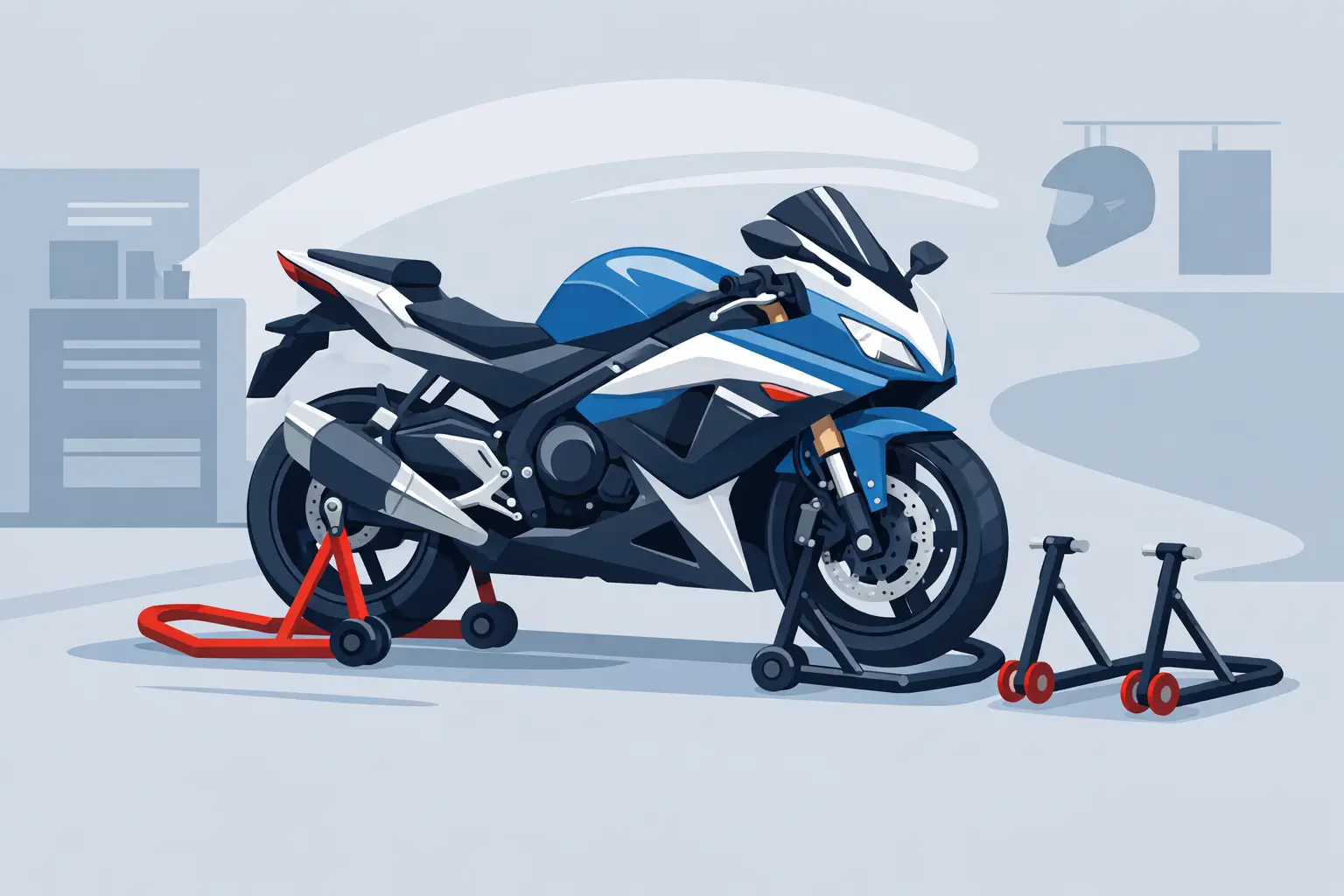
A sport bike on the wrong stand is one small mistake away from a fairing scuff, a bent spool, or a bike on the floor. That is why choosing paddock stands for sport bikes is not just about storage. It is about stability in the garage, speed in the pits, and safe access for tire changes, chain service, brake work, and warmers.
A lot of riders treat stands like a basic accessory. On a race-prepped bike or a serious street machine, they are support equipment. The right setup saves time, keeps the chassis secure, and makes routine work cleaner and safer. The wrong one usually shows its weaknesses fast – vague fitment, flex under load, poor leverage, or contact points that do not inspire confidence.
What matters in paddock stands for sport bikes
The first thing to understand is that not all stands are built for the same job. A rear stand does the daily work. It lifts the bike for chain cleaning, wheel alignment checks, sprocket swaps, tire warmer use, and general garage storage. A front stand adds access for brake service, fork work, front wheel removal, and keeping the bike level when both ends need support.
For most sport bike owners, the rear stand is the starting point. If your bike has spool mounts, a spool-lift rear stand is usually the most secure and repeatable option. The hooks engage the spools positively, which makes lifting more controlled and the bike less likely to shift during setup. If the bike does not run spools, L-pad stands can work, but they depend more on swingarm shape and careful placement. That makes them less precise on many modern sport bikes with aggressive bodywork and uneven swingarm profiles.
Front stands come in two main styles. Fork-bottom stands lift under the fork legs and are quick for basic support, but they do not leave the forks fully free for every service task. Headlift stands support the bike from the steering stem, which opens up full access to the front end. If you do your own fork swaps, stem bearing service, or front-end setup, the headlift style is the more capable choice. If you mainly need to keep the bike upright in the garage or run warmers in the paddock, a simpler front stand may be enough.
Rear stand choices: spool, L-pad, or hybrid
For dedicated track bikes, spool stands are usually the clear answer. They are faster to engage, more stable once loaded, and less sensitive to exact hand position during the lift. That matters when you are working quickly between sessions or setting the bike on stands repeatedly over a long weekend.
L-pad stands still have a place, especially for bikes without spool provisions or for riders who do not want to add spools. The trade-off is that placement matters more. On some swingarms, there is a broad, flat contact zone and the stand feels solid. On others, the pad sits near an edge or contour and confidence drops. That is not a fault of the concept so much as a fitment issue.
Hybrid stands that can run different lift hardware give more flexibility, but the quality of the stand itself still decides whether that flexibility is useful. A heavy-duty frame, smooth wheels, and a handle with enough leverage matter more than a long feature list.
Front stand fitment is where riders make mistakes
A front stand is only as good as its contact method. Fork-bottom stands need correct width and stable pad placement. Headlift stands need the correct steering stem pin. That last detail gets overlooked all the time.
If the pin is undersized, the stand can feel loose before the front tire even leaves the ground. If it is oversized, it simply will not fit. On modern sport bikes, brand and model differences matter. A Ducati, Yamaha R1, BMW S 1000 RR, or GSX-R may all need different headlift pins. This is exactly where fitment-based buying saves time. Instead of guessing based on photos or generic dimensions, you want the stand and support hardware matched to the bike.
When you are shopping, ask a simple question: what service are you actually trying to do? If the answer is tire warmers, cleaning, storage, and light brake work, a rear stand plus a basic front stand can cover it. If the answer is front-end service, race setup changes, or regular wheel removal, go straight to a headlift design with the correct pin.
Build quality shows up under load
A paddock stand can look fine in photos and still feel poor in use. Tube diameter, weld quality, wheel material, handle geometry, and cradle design all affect stability. On a 400-pound-plus sport bike, small differences become obvious once the bike is halfway up and the stand starts taking weight.
A quality stand lifts smoothly without flexing or twisting. The wheels track straight. The stand settles into position instead of hunting for balance. The hooks or pads stay aligned as leverage increases. These details matter more than cosmetic finish.
If you are using tire warmers, stiffness becomes even more important. You will be moving around the bike, plugging in warmers, checking pressure, and possibly working in a crowded paddock. A stand that rocks or shifts under routine contact is not race-ready equipment.
Corrosion resistance matters too, but it is secondary to structure. Powder-coated finishes and quality hardware help if the stand sees transport, outdoor use, or humid shop conditions. Still, finish should never distract from the basics: stable geometry, quality wheels, and predictable lift action.
Garage use vs track use
The right stand for a home garage is not always the same stand you want for race weekends. In the garage, long-term stability and easy access are usually the priority. At the track, speed, portability, and repeated use matter more.
A heavier stand can feel excellent in the shop. It may be overbuilt in a good way, especially if the bike spends a lot of time parked on it between maintenance sessions. At the track, that extra weight can become a nuisance if you are packing multiple stands, warmers, fuel jugs, and tools.
On the other hand, a very light stand may be easy to carry but less confidence-inspiring on uneven pavement. That is where realistic use matters. If your paddock space is often rough asphalt and your bike is lifted several times a day, a slightly heavier, more rigid stand is usually the better choice.
Why cheap stands usually cost more later
Budget stands are tempting because they all seem to do the same basic job. Lift the bike, hold the bike, roll away. In practice, lower-end stands often miss where it matters. Wheel quality is poor, welds are inconsistent, tolerances are loose, and the stand flexes more than it should.
That does not always mean instant failure. More often, it means annoying and risky use. The stand binds during the lift. It rolls unevenly. It does not line up square with spools or fork bottoms. Over time, that creates hesitation every time you use it, and hesitation around a suspended motorcycle is not what you want.
For performance riders, a paddock stand is part of the working setup, not garage decoration. Spending more for race-grade construction usually pays back in stability, service speed, and confidence.
Choosing the right setup for your bike
If you are building a clean, dependable baseline, start with a rear spool stand. For many sport bikes, that is the single most useful stand you can own. Add a front stand based on the work you actually do. Go with fork support for basic tasks, or a headlift stand if you need full front-end access.
Then check the details that decide whether the stand will actually work well on your machine: spool size and placement, swingarm shape, steering stem pin compatibility, bike weight, and bodywork clearance. Those details are why specialists matter. On https://shop.axfraceparts.com, fitment-driven product selection makes it easier to sort paddock stands and supporting hardware by the bikes riders actually own and race.
There is no single best paddock stand for every sport bike. There is the right stand for your chassis, your maintenance routine, and your track or garage setup. Get that match right, and every service job starts cleaner, faster, and with a lot more control.
A good stand does not make noise about itself. It just lifts the bike correctly, every time, and lets you focus on the work that actually makes the machine faster.

 Canada
 USA
USA Japan
Japan