

Thermal Technology Tyre Warmers Explained

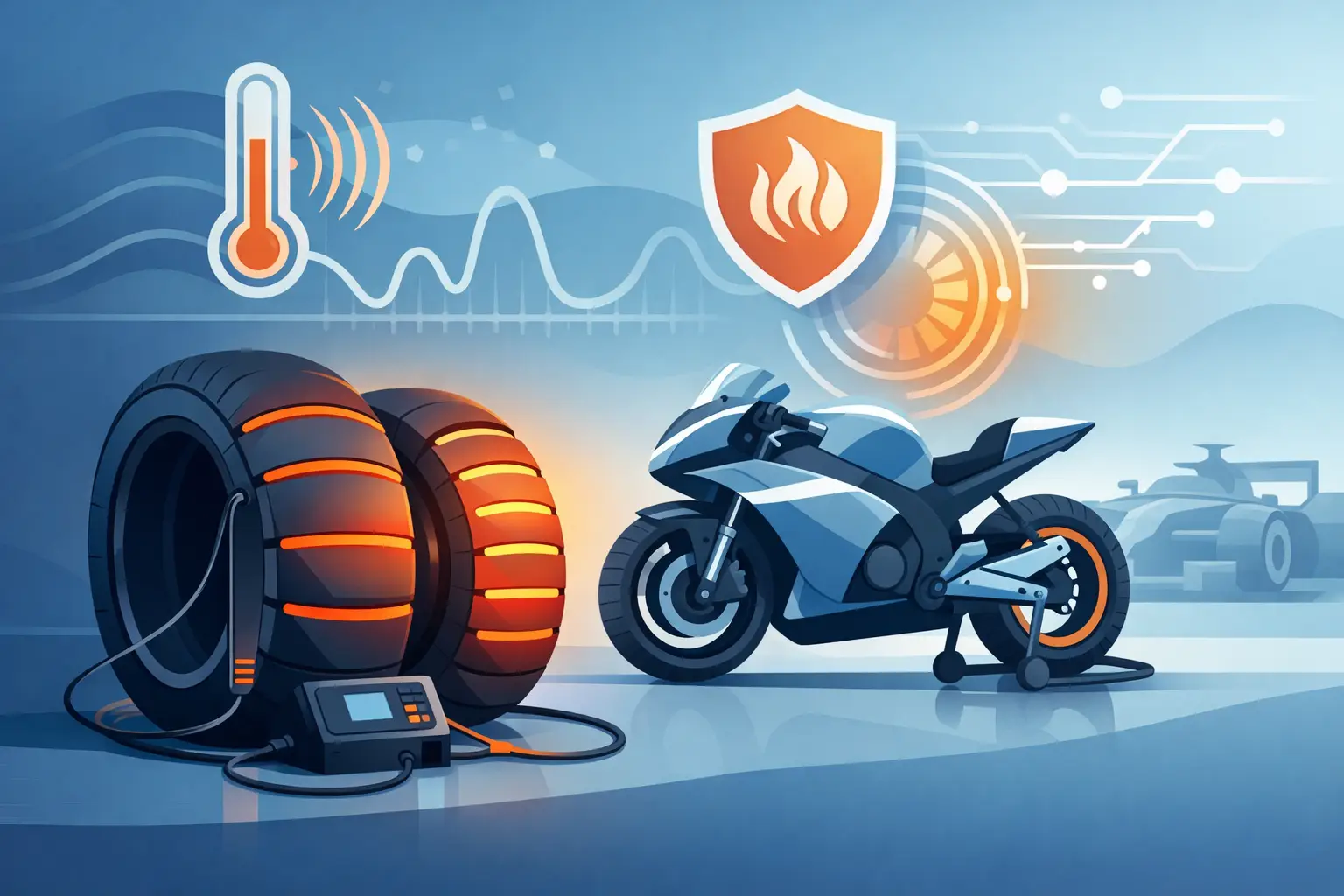
Cold tires cost laps before the session even starts. For track-day riders and racers, thermal technology tyre warmers are not a luxury add-on. They are part of a serious pit setup that protects tire performance, reduces unnecessary heat cycles, and gives you a more predictable bike from pit out to the first braking zone.
The real value is not just getting the tire hot. It is getting the whole carcass and surface to temperature evenly, holding that temperature consistently, and doing it session after session without guesswork. That is where better warmers separate themselves from budget options.
Why thermal technology tyre warmers matter
Tire performance is temperature dependent. Grip, carcass support, sidewall behavior, and wear pattern all change as the tire comes up to operating range. If the tire starts a session too cold, the first laps become a compromise. You ride under the limit, or you push too early and ask the tire for grip it cannot deliver yet.
Thermal technology tyre warmers address that problem before the bike rolls. A quality set builds heat through the tire instead of just warming the outer surface. That means more stable pressure targets, a more consistent contact patch, and fewer surprises when you tip in, brake hard, or drive off the corner.
That matters whether you are chasing tenths in club racing or trying to get more useful track time out of every session. The less time you spend waiting for the tires to come in, the more time you spend riding at the pace you intended to ride.
What separates a premium tyre warmer from a cheap one
Not all warmers do the same job. A lower-cost unit may eventually make the tire feel warm to the touch, but that does not guarantee even heating across the tread and sidewall. In racing, uneven heat is a setup problem. It can influence pressure gain, edge grip, and wear consistency in ways that show up immediately.
Premium thermal technology tyre warmers are built around heat distribution, insulation, and control. The heating elements are laid out to cover the tire correctly rather than leaving hot spots and cold sections. The outer construction helps retain heat instead of bleeding it off into the paddock air. The fit around the tire is tighter and more secure, which matters because poor contact leads to poor results.
Controller quality also makes a difference. Stable temperature management is more useful than a wide but inaccurate range. If the warmer overshoots, cycles unevenly, or struggles to recover on a windy day, your starting pressure and tire behavior become less predictable. That unpredictability can send you chasing setup changes that are not really setup changes at all.
The performance benefits riders actually feel
The biggest benefit is confidence. A properly warmed tire gives you a more trustworthy first lap. Braking markers feel normal sooner. The bike settles better on entry. Mid-corner support is more consistent. You can start working immediately instead of spending the opening laps bringing the bike to life.
There is also a tire-life advantage. When tires repeatedly go from ambient temperature to race pace and back again, they experience unnecessary stress. Good warmers help manage those swings by bringing the carcass up gradually and holding it in the working zone before the session starts. Over time, that can help the tire stay more stable across multiple outings.
Pressure control is another major reason serious riders use them. Tire pressure targets are based on hot operating conditions, not paddock conditions. If your warmer holds temperature consistently, you can make more accurate hot pressure adjustments before the session. That gives you a cleaner baseline for suspension feel, edge grip, and wear readings.
Thermal Technology tyre warmers for track days vs racing
The right choice depends on how you use the bike. A track-day rider who runs a few events a year still benefits from quality warmers, especially on modern sport bikes with aggressive tire compounds. The advantage is less about shaving the final tenth and more about reducing risk, improving confidence, and getting up to pace faster.
For club racers, coaches, and experienced intermediate or advanced riders, the demands increase. Session turnover is tighter, pressure targets matter more, and repeatability becomes critical. In that environment, thermal technology tyre warmers earn their keep through consistency and durability. They are part of the workflow, not just a convenience item.
If you are running premium slicks or hypersport race tires, quality warmers make even more sense. Those tires are designed around a narrower working range than a basic street tire. The better the heat management, the more likely the tire will deliver the behavior the manufacturer intended.
What to look for before you buy
Fitment matters more than many riders expect. Tyre warmers need to match your tire sizes and profile correctly. A loose fit can leave air gaps and uneven heating. A warmer that is too tight may be difficult to install and stress the materials over time. If you switch between wheel sizes or run different tire dimensions on multiple bikes, make sure the warmer you choose matches your actual setup.
Temperature capability matters too, but only if it is usable. Most riders do not need endless settings. They need dependable heating at the temperatures relevant to their tire choice and track conditions. A straightforward controller with stable output is often better than extra complexity you will never use in the paddock.
Build quality is where long-term value shows up. Look at stitching, outer shell material, power leads, side coverage, and controller construction. Race paddocks are hard on equipment. Warmers get dropped, packed, unpacked, stepped around, and used in less-than-perfect weather. Cheap construction shows itself quickly.
Practical details count as well. Fast installation, secure fit, clear controls, and reliable power connections all make race mornings easier. That may sound minor until you are working against the clock between sessions.
Common mistakes with tyre warmers
One of the most common mistakes is not allowing enough time. Riders put the warmers on, wait a few minutes, then expect race-level grip. The surface may feel hot, but the tire may not be fully stabilized internally. Give the warmer enough time to bring the tire up properly and equalize through the carcass.
Another mistake is ignoring ambient conditions. Cold mornings, wind, and shaded paddock areas can affect how fast the tire reaches and holds temperature. The warmer may be doing its job, but the environment still changes the process. This is one reason premium insulation and consistent control matter.
Pressure-setting habits also trip riders up. If you are checking and adjusting pressures, do it with a clear routine. Random timing creates random numbers. Take readings consistently after the tires have been on the warmers long enough to stabilize.
Finally, some riders use top-tier warmers with worn-out extension cords, questionable power sources, or poor generator output. That can reduce performance or damage equipment. A quality tyre warmer system is only as reliable as the power feeding it.
Where thermal technology tyre warmers fit in your setup
Tyre warmers are not a replacement for suspension tuning, tire selection, or pressure management. They support all three. When your tires start the session in the right range, your other changes become easier to judge. The feedback loop is cleaner. You can tell whether a pressure adjustment helped, whether the fork change was correct, or whether the rear tire is behaving as expected.
That is why experienced riders treat warmers as a foundation item. They do not make a bad setup good, but they make a good setup repeatable. In a sport where consistency creates speed, that is a real performance advantage.
For riders shopping by bike, tire size, and race use, a specialist source matters. AXF Race Parts focuses on race-ready components and fitment-driven buying, which makes it easier to pair serious equipment with the rest of your track setup.
Are they worth it?
If your bike sees regular track use, yes. The value is not just in outright pace. It is in predictable first laps, more stable pressures, reduced tire stress, and fewer variables when you are trying to ride or tune at a high level.
There is still an it-depends factor. A casual rider on street tires doing one relaxed event per season may not see the same return as a racer on slicks. But once pace increases, tires get more specialized, and setup matters more, thermal technology tyre warmers become one of the smartest support purchases you can make.
A fast bike deserves a controlled start to every session. If you want grip you can trust from pit lane forward, start with the heat source that gives your tires a real chance to perform.

 Canada
 USA
USA Japan
Japan