

How to Install Slipper Clutch Correctly

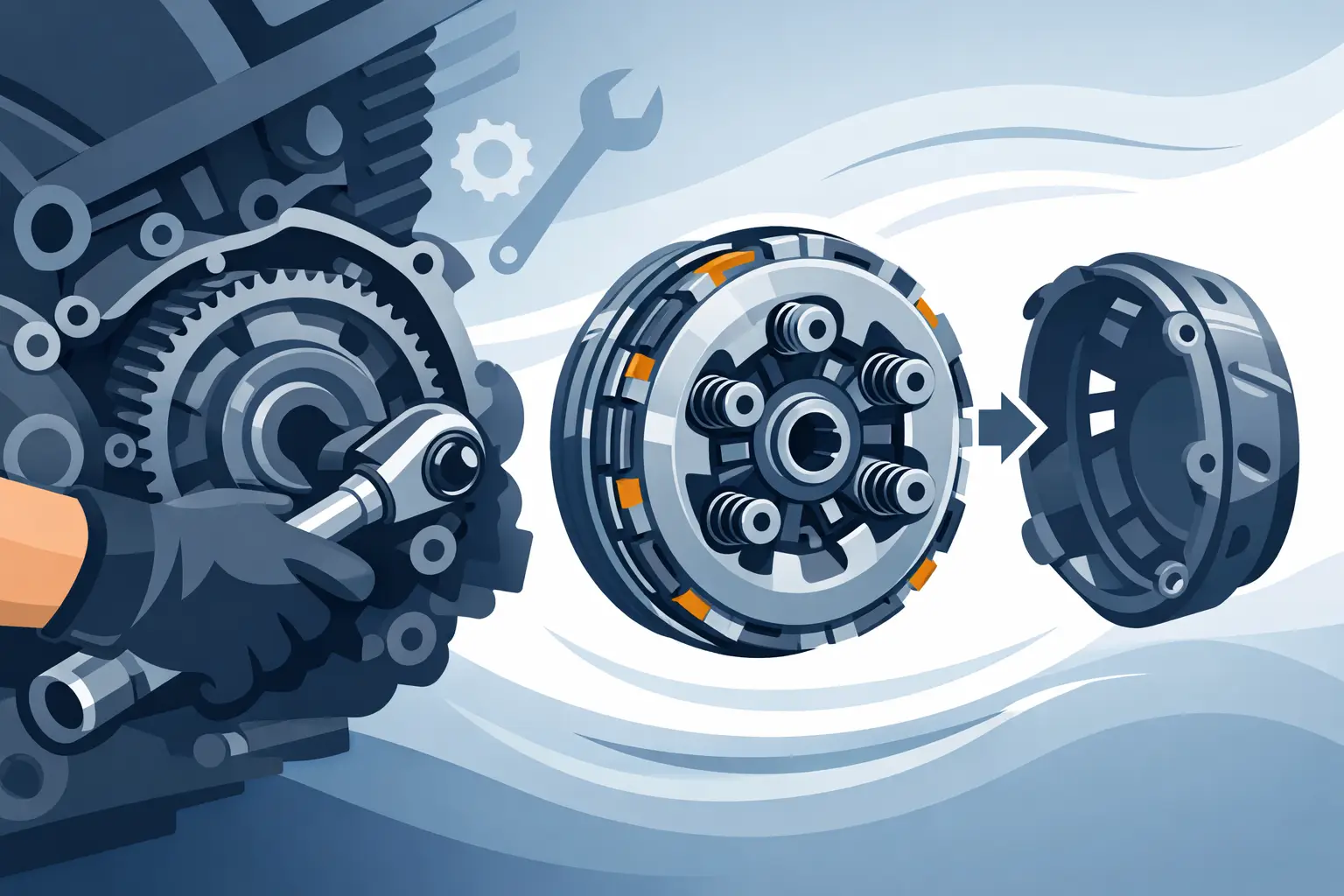
A slipper clutch install goes wrong in the same two places most of the time – parts selection before the cover comes off, and stack setup before the bike goes back together. If you want to know how to install slipper clutch assemblies correctly, start there. The hardware matters, but fitment, torque values, and pack height matter more.
For track bikes, race-prepped street bikes, and serious performance builds, a slipper clutch is not a cosmetic upgrade. It manages back-torque under aggressive downshifts, helps stabilize the chassis on corner entry, and gives you more control when you are braking deep and banging down gears. Installed correctly, it feels precise and predictable. Installed carelessly, it can create drag, slip, inconsistent engagement, or worse, hard-part damage.
Before you install a slipper clutch
The first job is confirming that the clutch is actually correct for the bike, engine configuration, and intended use. That means model, year, and in some cases the exact clutch basket or hub version already on the bike. Ducati, Yamaha, Kawasaki, BMW, Honda, KTM, Aprilia, and Suzuki applications can all have small fitment details that matter. Some kits are complete assemblies. Others require reuse of OEM components, specific pressure plates, or brand-specific friction and steel plate stacks.
This is where experienced builders save time. They do not assume that if the spline fits, the setup is right. They verify whether the slipper clutch is designed for OEM stack height, whether it needs different plate order, and whether the package includes springs, hub nut hardware, and installation instructions with torque specs. If the manufacturer specifies a particular friction pack, use it. Mixing random used plates into a fresh slipper assembly is an easy way to compromise performance.
You also want the service manual on hand. Even if the clutch manufacturer provides instructions, the bike manual still gives you cover bolt torque, oil requirements, locking procedures, and model-specific disassembly details. A race part still lives inside a production engine.
Tools and prep that actually matter
You do not need a huge workshop to handle this job, but you do need the right basics. A torque wrench is non-negotiable. So are proper sockets, clutch holding method if required, a drain pan if the bike design calls for oil loss when opening the cover, fresh gasket or sealant as specified, and clean assembly conditions.
If the bike has been run recently, let it cool fully. Hot oil, hot covers, and hot fasteners make a precise install harder than it needs to be. Put the bike on a stable rear stand. If the clutch cover sits low enough to spill oil when removed, either drain the oil or lean the bike appropriately if the service manual and your setup allow it. For most riders, draining and refilling is the cleaner call.
Take photos as you disassemble. On bikes you know well, that may feel unnecessary. On bikes with model-specific spacers, judder springs, selective washers, or different plate sequences, it is cheap insurance.
How to install slipper clutch step by step
Start by removing any fairing section or lower bodywork that blocks access. Remove the clutch cover carefully and keep track of bolt lengths, because many engines use mixed hardware. Once the cover is off, inspect before touching anything. Look for signs of previous wear, notching in the basket, heat discoloration on steels, debris in the cover, or witness marks that suggest the old clutch was not running cleanly.
Next, remove the pressure plate bolts and springs in an even sequence. Do not just zip one side down and move to the next. Relieving spring pressure gradually helps avoid distortion and keeps the process controlled. Pull the pressure plate, then remove the clutch pack in order. Lay the plates out exactly as they came out if the new system reuses any of them.
At this stage, some slipper clutches install as a complete hub and pressure plate system, while others replace only part of the assembly. If hub removal is required, lock the assembly correctly using the manufacturer-recommended method. Then remove the center nut or fastening hardware. This is one place where shortcuts cause expensive damage. Jamming gears or improvising with screwdrivers is not workshop technique – it is a repair bill waiting to happen.
With the OEM unit removed, inspect the mainshaft splines, thrust washers, bearing surfaces, and basket condition. A premium slipper clutch will not mask wear elsewhere in the system. If the basket is badly notched or the bearing surface is rough, fix that now. Installing new race hardware on a worn clutch base gives you mixed results at best.
Before final assembly, compare old and new components side by side. Confirm stack orientation, included washers, hub depth, and plate order. Lubricate friction plates if the manufacturer specifies pre-soaking in engine oil. Some applications and plate materials have clear instructions here, so follow the supplied guidance rather than relying on habit.
Install the new hub and related hardware in the exact sequence specified. Pay close attention to spacer orientation and any one-way or ramp-related components. Torque the center fastener to spec using the correct locking procedure. Under-torquing can let the assembly move. Over-torquing can damage threads, bearings, or the hub itself. Neither is acceptable on a performance engine.
Once the hub is secured, install the clutch pack in the required order. This is where many riders lose time. A slipper clutch does not always use the same stack pattern as the stock setup. Plate thickness, steel placement, and total pack height directly affect engagement and slip characteristics. Measure the stack if the instructions call for it. On some race setups, being slightly off is enough to change the way the clutch behaves on corner entry.
Fit the pressure plate and springs next. Tighten the spring bolts evenly in a crisscross pattern and torque them to spec. These bolts are usually small and easy to overdo. Precision matters more than force here.
Before reinstalling the cover, operate the clutch mechanism by hand if possible and rotate the assembly to check for smooth movement. This is also the time to verify pushrod engagement and release function. If anything binds, stop and find out why. Closing the cover does not fix a stack problem.
Common mistakes when installing a slipper clutch
The biggest mistake is treating every slipper clutch like a universal race part. They are application-specific components with very real setup differences. Another common miss is ignoring clutch pack height. Riders will reuse old friction plates, mix steels from different sets, or skip measurement because the parts seem close enough. On a standard street clutch, you might get away with that. On a performance slipper assembly, that shortcut shows up fast.
Improper torque is another problem area. Center nuts, spring bolts, and cover fasteners all have different requirements. Guessing is not a method. The same goes for gaskets and sealants. Use what the bike and clutch manufacturer call for, and use it sparingly and correctly.
There is also the tuning side. Some slipper clutches include spring options or preload adjustments that change back-torque behavior. If your unit is adjustable, resist the urge to start experimenting before you know the baseline. Install it to the recommended starting setup, ride it, then tune from there. Race parts reward controlled changes, not random ones.
What to check after installation
Once the cover is back on and the bike is reassembled, refill oil if needed and check clutch lever feel. Start the bike and let it idle. Shift through gears on a stand only as far as the setup safely allows, and confirm engagement and disengagement feel normal. The first road or track test should be deliberate, not aggressive.
Pay attention to clutch take-up, drag at a stop, and how the bike behaves on downshifts. A properly installed slipper clutch should reduce rear wheel hop and settle the chassis under deceleration. If the clutch slips under acceleration, drags badly, chatters unusually, or engagement feels inconsistent, stop and inspect the setup again. That usually points back to stack height, plate order, release setup, or an installation error.
For riders sourcing a unit, this is where fitment-driven purchasing pays off. A quality assembly from a respected manufacturer, matched correctly to the bike, usually installs with fewer surprises and performs more consistently. That is exactly why performance buyers shop specialists like AXF Race Parts instead of gambling on vague listings and incomplete kit details.
If you are comfortable inside a motorcycle engine and you have the manual, correct parts, and torque data, installing a slipper clutch is a realistic garage job. If any of those are missing, slow down and sort them first. The fastest bike in the paddock is usually built by the team that did not rush the details.