
How to Choose Brake Master Cylinder Right

A brake upgrade can feel incredible on the first squeeze – or completely wrong. Too much lever travel, a wooden feel at the bar, or a brake that comes on too hard can all point to the same issue: the master cylinder is not matched to the bike, calipers, or riding use. If you are figuring out how to choose brake master cylinder parts for a sport bike, the right answer starts with hydraulic ratio, fitment, and intended use, not just brand name or billet finish.
Why the master cylinder matters more than most riders think
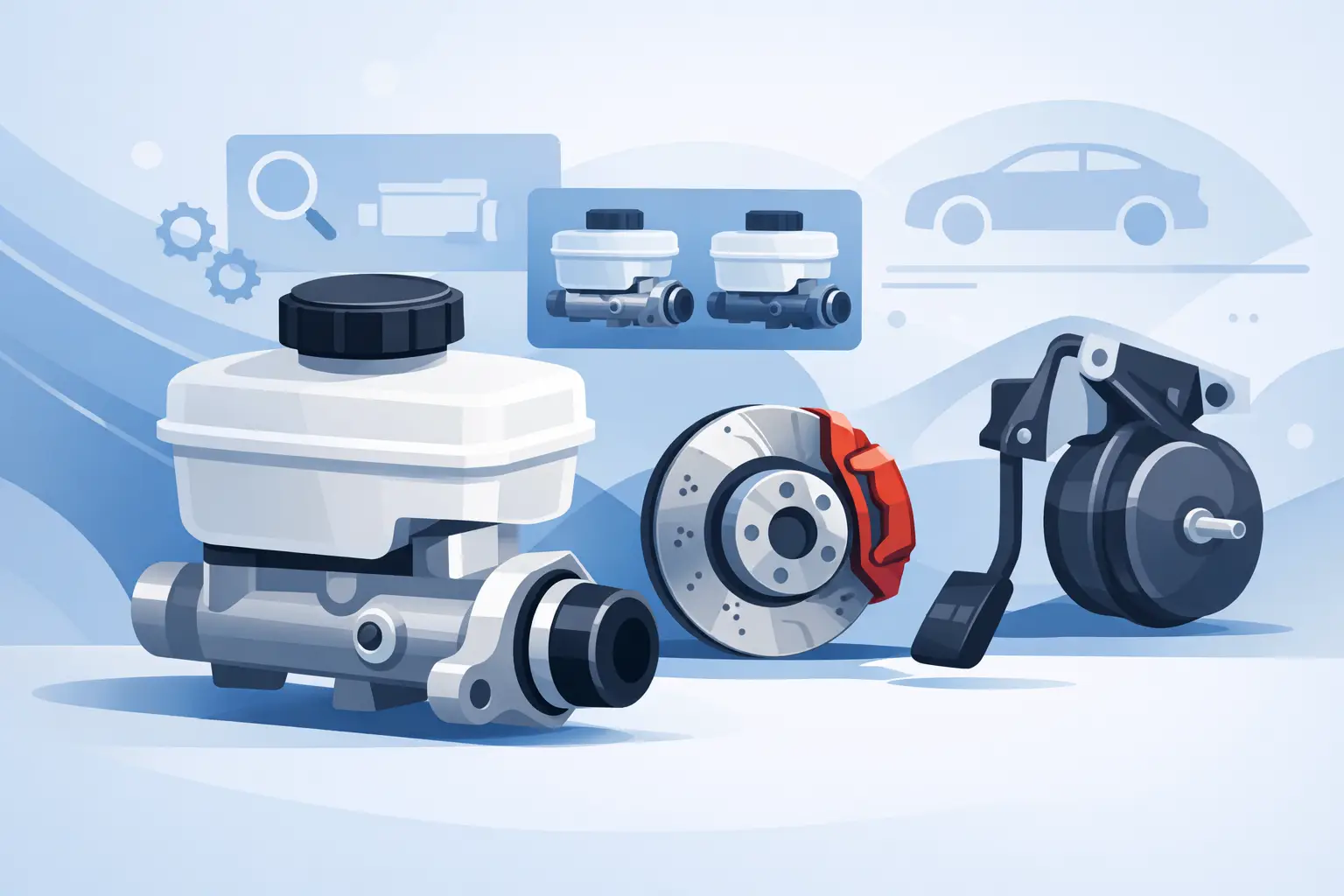
The brake master cylinder is the control point for the entire front braking system. It converts lever force into hydraulic pressure, and that pressure drives the caliper pistons into the pads and rotors. Change the master cylinder, and you change the character of the brake.
That is why two bikes with similar calipers can feel completely different at the lever. Master cylinder piston size, lever ratio, and overall build quality all shape initial bite, modulation, effort, and consistency under heat. On a track bike, those differences are not subtle. They affect braking markers, confidence on corner entry, and how hard you can keep pushing late in a session.
How to choose brake master cylinder size
The first decision is piston diameter. This is where many riders get off track, because bigger is often assumed to mean better. It does not. A larger master cylinder piston moves more fluid with less lever travel, but it also increases required hand effort and can reduce feel if the setup becomes too aggressive.
A smaller piston generally gives more hydraulic leverage. That usually means lighter lever effort and better modulation, but it can also create longer lever travel. If the piston is too small for the caliper volume, the lever may come too close to the bar under heavy braking.
The correct size depends on the calipers you are running. Monoblock calipers, OEM radial calipers, and race-spec setups all have different fluid volume requirements. As a general rule, the master cylinder has to be matched to total caliper piston area. That balance is what delivers usable travel, strong power, and predictable feel.
For many modern sport bikes, riders looking at radial front brake masters will commonly compare sizes such as 16, 17, 19, or 19×18 and 19×20 style configurations. Those numbers matter, but they should never be chosen in isolation. A 19 mm unit may be ideal on one twin-disc superbike setup and completely wrong on another if the caliper design, pad compound, or rider preference is different.
Radial vs axial master cylinders
If you are upgrading from stock, you will usually be deciding between keeping an axial-style design or moving to a radial master cylinder. For performance riding, radial is the standard for good reason.
A radial master cylinder applies force in line with the lever pivot. That layout improves rigidity, consistency, and control under hard braking. It is especially valuable on track bikes where repeated high-speed braking loads expose flex and vague feedback quickly.
Axial masters can still work well on street-oriented builds and some older sport bikes, but for riders chasing stronger feel and race-level braking precision, radial is usually the smarter direction. The trade-off is that radial conversions can involve extra fitment considerations, including reservoir placement, brake line routing, switch compatibility, and lever clearance with fairings or hand controls.
Lever ratio changes the feel
One of the most overlooked parts of how to choose brake master cylinder performance is lever ratio. This is often expressed in configurations like 19×18 or 19×20. The first number refers to piston diameter. The second refers to leverage geometry.
A shorter ratio such as 18 usually creates more leverage, lighter effort, and more feel. A longer ratio such as 20 tends to deliver a firmer, more direct response with less lever travel, but it can require more input from the rider. Neither is automatically better.
On the track, some riders prefer the sharper, firmer response of a longer ratio because it suits aggressive braking and consistent race pace. Others want more progression and finer modulation on corner entry, especially in mixed grip conditions. If your riding style relies on trailing the brake deep into the turn, a setup with more feel can be the better tool.
This is why experienced riders talk about brake feel in terms of confidence, not just stopping power. Peak power is easy to chase. Repeatable control is what wins.
Match the master cylinder to your bike build
The right master cylinder for a near-stock street bike is not always the right one for a track-prepped machine with upgraded calipers, braided lines, race pads, and high-temp fluid. The full system matters.
If the bike still has OEM calipers and rotors, a premium master cylinder can still be a major improvement, but only if the sizing complements the stock hardware. If you have already upgraded to performance calipers, then master cylinder selection becomes even more critical. Mismatched parts can leave performance on the table or create a brake that feels impressive in the garage and disappointing at speed.
You also need to think about use case. A street rider who spends most of the time in canyon riding or occasional fast road use may prefer more progressive engagement and lower effort. A club racer may accept a firmer lever if it gives immediate response and better consistency at the end of a long straight.
That is where fitment-based shopping matters. On model-specific platforms, the best results come from choosing a master cylinder that matches the bike’s year, brake layout, and intended riding environment. AXF Race Parts focuses heavily on this kind of fitment clarity because generic brake advice is where expensive mistakes usually start.
Do not ignore compatibility details
A master cylinder is not a standalone upgrade. Before buying, check the mounting format, brake light switch provision if the bike is street-ridden, fluid reservoir type, banjo bolt orientation, and line compatibility. A race-oriented unit may delete features that matter on a road bike.
Lever adjustability matters too. Riders with smaller hands may need a closer reach setting, especially on bikes with aggressive clip-on positioning. If the lever is hard to access in a braking zone, the system is already compromised before you test outright performance.
There is also the question of left-hand controls, throttle housings, hand guards, and cockpit packaging. On many modern sport bikes, bar space is tighter than expected. A high-end master cylinder that interferes with switchgear or fairing stay hardware is not a real upgrade.
Material quality and brand reputation are not just cosmetic
At this level, machining quality, internal tolerances, seals, and lever pivot design matter. Premium manufacturers earn their reputation because their components stay consistent under hard use. Heat cycles, vibration, and repeated pressure loads expose weak internals quickly.
That does not mean the most expensive option is always the right one. It means the brake master cylinder should be chosen as a functional component, not as visual jewelry. A quality unit from a proven motorsport brand usually delivers cleaner lever action, better pressure consistency, and longer-term reliability.
For track riders, that consistency is the real value. The bike has to feel the same in lap one and lap eight. If the lever character drifts as the system gets hot, confidence disappears fast.
Common mistakes riders make
The biggest mistake is choosing by hype alone. Riders see what is popular on superbike builds and assume it will automatically improve their own setup. But caliper size, rotor spec, tire grip, rider strength, and brake technique all influence what feels right.
The next mistake is over-sizing the master cylinder to get a firmer lever. A super-firm lever can feel impressive in the paddock, but on track it may reduce modulation and increase fatigue. That is not faster. It is just harsher.
Another common miss is upgrading the master cylinder while ignoring old fluid, worn pads, aging seals, or flexible brake lines. If the rest of the system is compromised, the new part cannot perform at its best.
What a good choice feels like on the bike
When the master cylinder is properly matched, the lever gives a clean, predictable stroke. Initial bite is easy to read. Hard braking does not feel vague or abrupt. You can add pressure smoothly, trail off cleanly, and trust the front tire without second-guessing every corner entry.
That is the target. Not the stiffest lever. Not the most expensive reservoir. Not the part with the most attention on social media. The right choice is the one that gives your bike better control at speed.
If you are choosing for a track bike, think in terms of system balance. Match piston size to caliper demand, choose a lever ratio that suits your braking style, and verify every fitment detail before buying. Get that right, and the upgrade will show up where it matters most – later braking, better feedback, and more confidence every lap.
The best brake master cylinder is not the one everyone else runs. It is the one that makes your next braking zone feel precise, repeatable, and fully under control.