

Track Bike Ergonomics Setup That Works

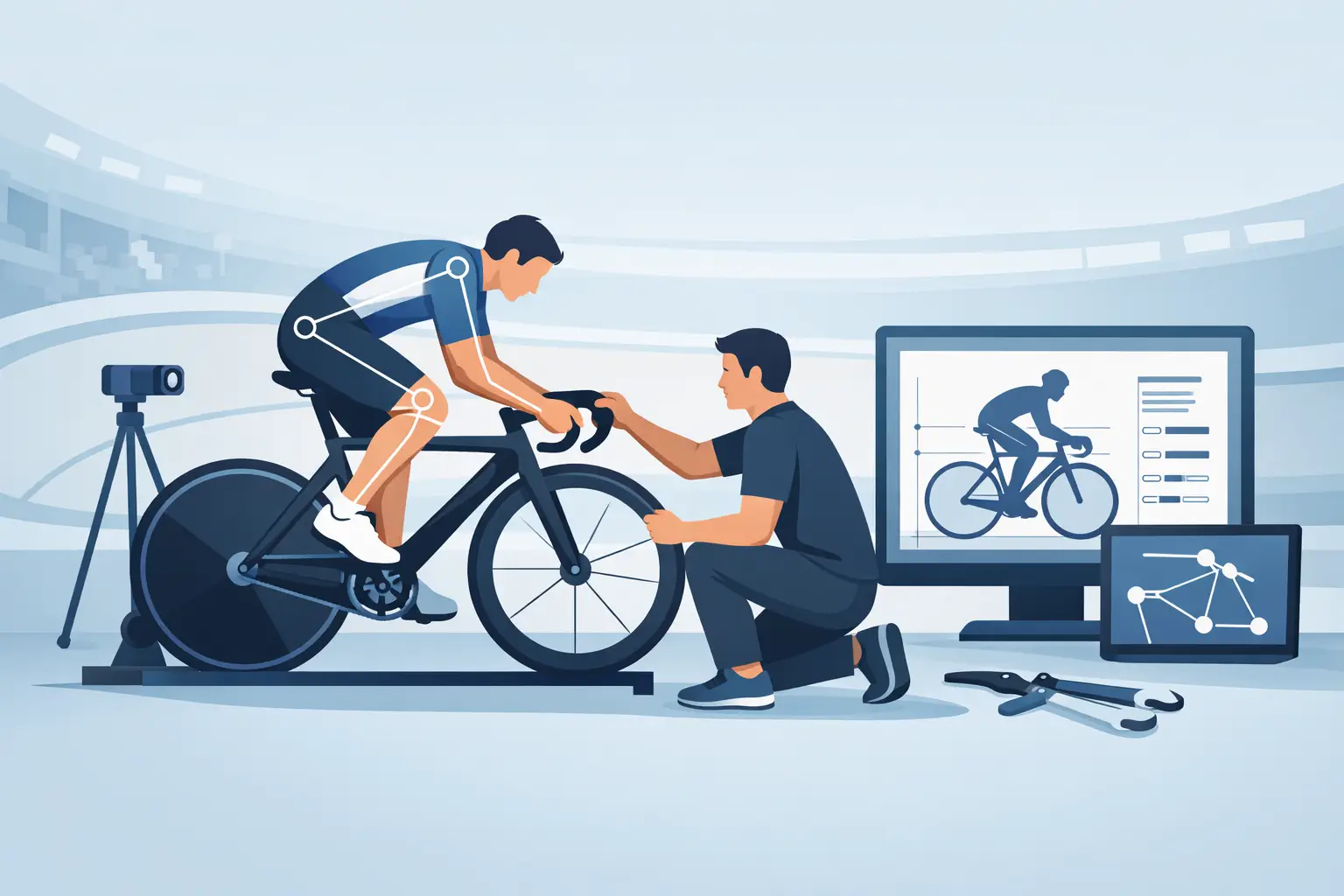
One bad session is usually all it takes to realize your bike is not the problem – your position is. If your wrists are loaded on corner entry, your outside leg cannot lock in under braking, or you are reaching for controls mid-transition, your track bike ergonomics setup is costing speed, consistency, and confidence. On a track bike, fit is not comfort fluff. It is a control system.
Why track bike ergonomics setup matters
Ergonomics decides how effectively you can move on the motorcycle, how much feedback you can process, and how long you can maintain pace before fatigue starts making decisions for you. A bike that fits badly can still feel fast for two laps. It usually falls apart when braking markers get deeper, body position becomes more aggressive, and the rider starts compensating.
The key point is simple: your chassis setup and your body position are linked. If rear ride height, clip-on angle, rearset position, and lever placement are fighting your natural movement, you will work harder for less result. The right setup gives you support under braking, room to rotate off the seat, a stable lower body, and clean access to the controls when the pace rises.
That does not mean there is one perfect setup for everyone. Rider height, inseam, flexibility, boot size, riding style, and bike model all change the answer. A 5’7″ lightweight rider on an R6 will not want the same geometry at the contact points as a taller rider on a Panigale V4. Fast ergonomics are personal, but they are not random.
Start with the three rider contact points
A proper track bike ergonomics setup starts where the rider meets the machine: bars, pegs, and seat. Everything else is a refinement.
Clip-ons and upper body position
Clip-on position affects leverage, steering input, front-end feel, and upper-body fatigue. If the bars are too low or angled poorly, you end up supporting too much of your torso with your hands. That makes trail braking rougher and limits fine control at initial lean. If they are too high or too wide, you may gain comfort but lose front-end commitment and aerodynamic efficiency.
A strong baseline is to set the bars so your elbows have a slight bend with your shoulders relaxed, not shrugged forward. Your wrists should stay close to neutral when you are in a full tucked and corner-entry position. If you have to cock your wrists inward or downward to hold the grips, adjust the rotation before you assume you need different bars.
On many bikes, small changes in clip-on angle make a bigger difference than riders expect. Rotate too far down and the hands feel trapped. Rotate too flat and the outside hand can lose leverage at turn-in. The correct setting usually feels natural immediately, especially during repeated side-to-side transitions.
Rearsets and lower body stability
Rearset position is where control and body mechanics come together. Too low and too far forward can leave the legs cramped against the tank in the wrong way, reducing cornering clearance and making it harder to weight the pegs precisely. Too high and too far back can create excessive knee bend, reduce braking stability, and wear out hips and quads before the session is done.
For most track riders, the goal is a position that lets the outside leg lock into the tank under braking and corner entry while still giving enough room to move the inside knee out without twisting awkwardly. You want support from the lower body so the handlebars stay light. If your palms are sore after every session, rearset position deserves attention.
Adjustable rearsets are one of the most useful upgrades on a dedicated track machine because they let you tune clearance and body position together. This is not just about making the bike look more race-spec. It is about putting your feet where your hips can work efficiently.
Seat shape and rider movement
Seat height and shape influence how easily you can transition, brake deep, and hold yourself in place. A seat that is too slippery or too flat can push more load into the arms. A seat with the right grip and profile helps you stay planted under braking and move predictably from side to side.
Tall riders often benefit from a little more room between seat and pegs. Shorter riders may prefer a setup that keeps movement compact and controlled. Again, there is a trade-off. More room can improve mobility but make it harder to feel connected. Less room can sharpen support but limit transition speed.
Controls should disappear when you ride
If you have to think about reaching the brake lever, finding the shifter, or correcting your foot angle on the peg, the controls are not set correctly.
Brake lever angle should match your wrist line when you are in an aggressive braking posture, not when you are sitting upright in the paddock. This is where a lot of setups go wrong. Riders set levers while standing still, then discover on track that they are bending the wrist too high at maximum braking force. That reduces sensitivity and adds fatigue fast.
The clutch side matters less on many modern quickshifter-equipped track bikes, but it still needs to stay accessible and clean. Shifter height should let your boot engage positively without lifting the whole foot off the peg. Rear brake pedal position is a preference item for some riders and essential for others, but either way it should not force ankle contortions.
Throttle feel is also part of ergonomics. A race throttle with the right pull ratio can reduce hand movement and help with cleaner exits, especially on bikes with aggressive power delivery. Done right, it makes the rider calmer. Done wrong, it can feel abrupt and tiring.
Build the setup around braking, not parking-lot comfort
Track riders sometimes make the mistake of chasing comfort in static positions instead of function at speed. A proper track bike ergonomics setup should be judged in the conditions that matter most: hard braking, turn-in, full lean transition, and corner exit.
Under braking, you should be able to brace with your core and legs instead of hanging from the bars. At turn-in, the outside arm should stay loose enough to steer precisely. Mid-corner, your lower body should support your position without forcing you to grip with the inside hand. On exit, throttle control should feel direct without making your shoulders tense.
If one of those phases feels compromised, stop blaming yourself first. The bike may simply not be arranged to let you ride well.
Common mistakes in track bike ergonomics setup
The most common mistake is changing too many variables at once. Riders move clip-ons, rearsets, levers, and suspension in the same evening, then cannot identify what improved and what got worse. Make one meaningful adjustment at a time and test it with intent.
The second mistake is copying a fast rider’s setup without matching their body dimensions or style. What works for a flexible 140-pound racer may be a bad setup for a heavier rider with old knee injuries and a different braking technique.
The third mistake is ignoring fitment quality. Adjustable parts only help if they offer secure mounting, precise adjustment, and model-correct geometry. Poorly made controls introduce flex, vague feel, and inconsistent positioning – exactly what you do not want on a track bike.
The parts that make adjustment possible
Ergonomic tuning depends on having the right hardware. Adjustable rearsets are usually first because they offer the biggest change in lower-body support and cornering clearance. Clip-ons or handlebar systems come next, especially if the stock range is limited. Lever guards, racing switches, throttle assemblies, and high-quality controls help refine the final contact points once the main position is established.
This is where fitment matters. Brand-specific components save time and guesswork because they are designed around the actual chassis and rider triangle of your bike, not a generic idea of a sportbike. For riders building or refining dedicated track machines, AXF Race Parts focuses on exactly that kind of race-ready, model-specific hardware.
How to test and refine your setup
Use a repeatable process. Set a baseline. Ride a full session. Note where your body feels blocked, overloaded, or late to the controls. Then make one change.
If braking feels unstable, look first at lower-body support and lever angle. If transitions are slow, check whether peg position or seat movement is restricting you. If your hands go numb or your shoulders burn, revisit bar rotation and how much weight your legs are carrying. Video helps, but rider feedback matters too. You can often feel the problem before you can explain it.
It also pays to separate flexibility issues from bike-fit issues. Some riders need better mobility as much as better parts. But a bike should not demand gymnast-level mobility to be ridden properly at track pace. Good ergonomics reduce the penalty of normal human limitations.
The best setups usually arrive through iteration, not one dramatic change. A few millimeters at the peg, a slight bar rotation, and a corrected lever angle can transform how the bike behaves underneath you. Not because the engine got stronger or the suspension got smarter, but because the rider finally has the leverage to use the motorcycle properly.
The goal is not a bike that feels impressive on stands in the garage. It is a bike that disappears underneath you when the session starts, leaving more attention for braking markers, apexes, and exits.