
Honda CBR1000RR Track Build Example

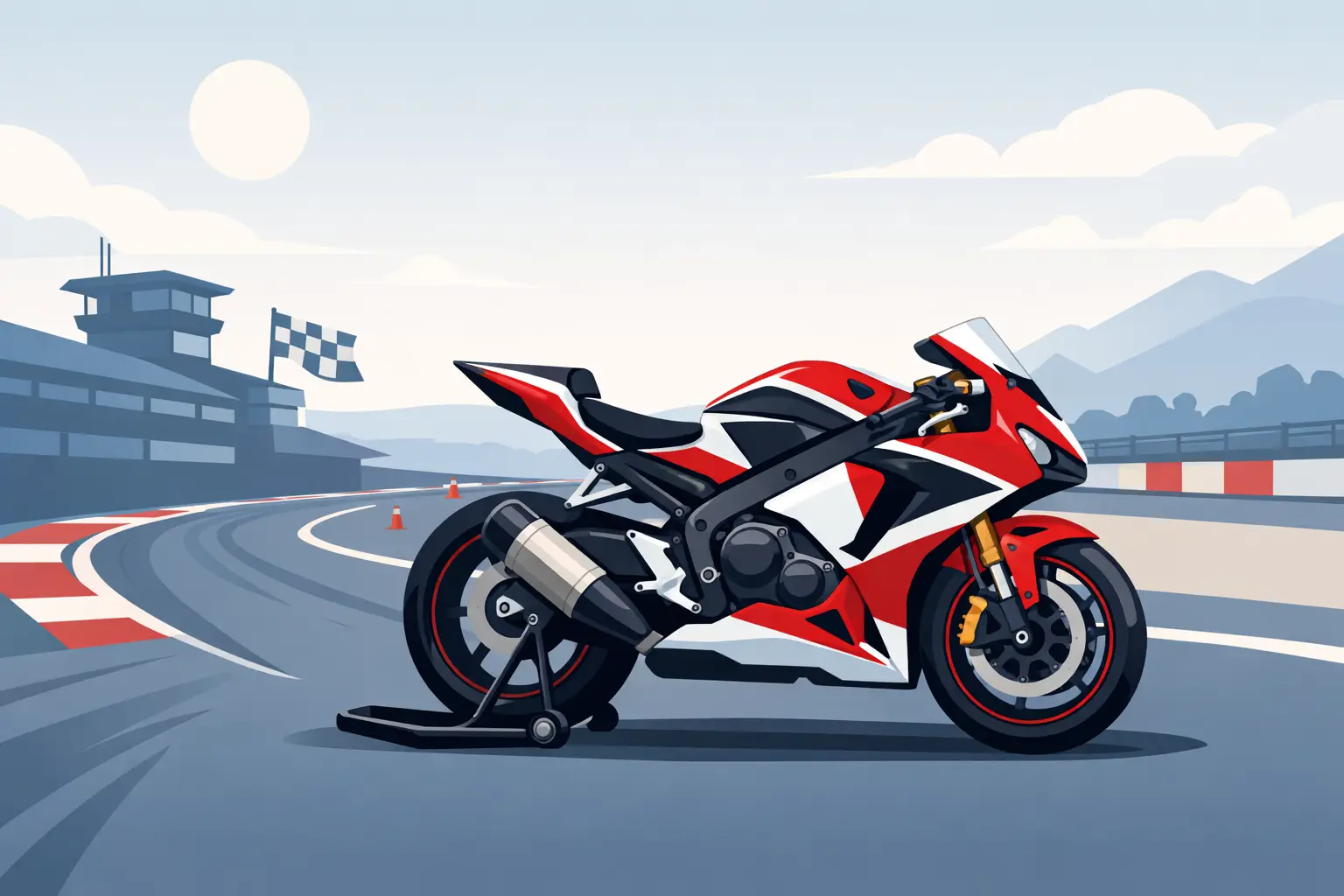
A fast liter bike gets expensive when the build order is wrong. That is why a Honda CBR1000RR track build example matters more than a random pile of premium parts. On this platform, the best results come from building around braking consistency, rider control, crash survivability, and heat management before chasing peak horsepower.
The CBR1000RR is already a capable base for track days and club-level racing. It turns well, responds to setup changes, and rewards clean input. But stock strengths do not automatically translate into a track-ready package. A proper build should reduce lap-to-lap variation, make the bike easier to ride at the limit, and cut avoidable failure points.
What this Honda CBR1000RR track build example is trying to achieve
This is not a superbike budget fantasy. The target is a reliable, repeatable track machine that can handle advanced track days, sprint racing, and regular abuse without wasting money on parts that look impressive and solve nothing. That means the build priorities stay practical.
For most riders, the biggest gains come from the front of the bike. Braking feel, lever confidence, and chassis feedback into corner entry usually matter more than another few horsepower. A CBR1000RR with a sorted front end and precise controls is faster for more riders than one with a loud exhaust and an untouched cockpit.
The second priority is durability. Track bikes get crashed, overheated, and serviced often. Parts that speed up maintenance or survive minor incidents have real value. Race bodywork, engine protection, captive hardware, and clean control layouts all pay back over a season.
Start with braking and front-end feel
If the goal is lower lap times and more confidence, braking upgrades belong near the top of the list. A master cylinder upgrade is one of the clearest improvements you can make on a CBR1000RR track build. The stock system can work, but many riders want firmer lever feel, more precise modulation, and stronger consistency when temperatures rise.
A quality radial master cylinder paired with race-oriented brake lines and high-friction pads changes the character of the bike. Initial bite becomes clearer, mid-corner corrections feel less dramatic, and hard braking zones stop feeling vague at the lever. This is especially valuable on a liter bike where entry speed and brake release timing decide how much corner speed you can safely carry.
Rotor choice depends on pace and budget. For many track riders, upgraded pads, fresh fluid, braided lines, and a premium master cylinder deliver enough return before moving to more expensive hardware. If the bike is seeing true race use, higher-spec rotors may make sense, but only after the rest of the system is sorted.
Suspension is the other half of the conversation. Even the best brake package cannot cover for springs and damping that are wrong for rider weight and pace. Fork internals or cartridge kits, a proper rear shock, and setup work tailored to tire choice are not glamorous upgrades, but they turn the CBR1000RR into a much calmer bike on corner entry and exit.
Controls should support aggression, not fight it
Rearsets are a core track-bike upgrade because they do three jobs at once. They improve body position, add ground clearance, and replace vulnerable stock parts with stronger hardware. On the CBR1000RR, adjustable rearsets help riders fine-tune leg position for braking support and faster transitions, which matters when sessions get longer and fatigue starts to show.
Clip-ons or race handlebars are just as important. A crash-damaged OEM setup is expensive to replace, while race-spec controls are usually easier to service and adjust. More importantly, they allow a cleaner ergonomic fit. A liter bike that asks the rider to reach, twist, or compensate through every corner is wasting energy.
A quick-action throttle also makes sense here, but with context. On a track-prepped CBR1000RR, reducing wrist rotation helps the rider pick the bike up sooner and get to maintenance throttle or drive faster. The trade-off is sensitivity. Riders who are still refining throttle control may prefer a more conservative cam profile before going too aggressive.
Bodywork, protection, and the parts that save weekends
Race bodywork is not just a cosmetic move. It drops unnecessary street equipment, simplifies repair, and usually gives better access for maintenance. On a CBR1000RR, a proper race fairing setup also makes it easier to fit containment requirements where needed and reduces the pain of a low-side.
Engine case covers, frame sliders where appropriate, axle protection, and lever guards belong in the same category. These parts do not make the bike faster in a direct sense, but they protect expensive components and help prevent a minor crash from ending a weekend. That matters to track-day riders and racers alike.
Fasteners and hardware upgrades are easy to overlook until the first rushed service in the paddock. Captive wheel spacers, quick-release hardware in practical areas, and race-oriented switchgear can save time and reduce mistakes. This is where specialist suppliers matter. Fitment errors on electrical or control parts waste time and create avoidable headaches.
Electronics: keep them useful, not complicated
Electronics on a track build should solve real riding problems. A steering damper in good condition is essential on a liter bike. Beyond that, priorities depend on rider pace and the base model.
For many CBR1000RR builds, a clean race switch assembly is more useful than chasing a highly complex electronics package. Simplified controls reduce clutter, improve reliability, and make pit-lane operation easier. If the bike supports traction control tuning or quickshifter integration, those features can add measurable value, but only when they are set up correctly.
The mistake is adding electronics without understanding how they affect delivery and rider confidence. A poorly configured quickshifter, inconsistent sensor setup, or confusing dash workflow can hurt performance more than help it. Keep the system clear, serviceable, and matched to the rider’s needs.
Engine upgrades come after the chassis is honest
A practical Honda CBR1000RR track build example does not start with internal engine work. It starts with intake, exhaust, fueling, and cooling only if the bike is already stable and predictable. That order keeps the build usable.
A race exhaust and proper tune can improve throttle response, trim weight, and sharpen drive off the corner. A high-flow air filter is a logical companion. But these gains only matter when the rider can carry entry speed, hit apexes, and pick the bike up with confidence. If the chassis is unresolved, more power often just creates more work.
Cooling deserves attention because track bikes spend real time under sustained load. Upgraded coolant routing solutions, race-approved fluid where required, and careful inspection of hoses, clamps, and radiator condition can prevent frustrating heat-related issues. Reliability is speed when the alternative is sitting in the paddock with a cooked bike.
Slipper clutch upgrades are worth considering based on model year, rider style, and race intent. Some riders are satisfied with the stock system. Others want a more refined back-torque response under aggressive downshifting. This is a classic it-depends component. If corner entry is already clean and the stock clutch behaves well, the budget may be better spent elsewhere first.
Tires, warmers, and setup discipline
No track build works without a tire strategy. That includes choosing the right carcass profile, understanding hot pressures, and using tire warmers consistently if the pace justifies them. The CBR1000RR responds clearly to tire changes, so random choices create confusion fast.
This is also where many riders overspend in the wrong places. Premium tires on a poorly set up bike do not deliver full value. On the other hand, a properly suspended CBR1000RR with the right pressure targets can feel transformed on the same tire model. Setup discipline beats guesswork every time.
Paddock stands, warmers, and maintenance basics may not feel exciting, but they are part of a serious track package. Clean chain adjustment, repeatable wheel service, and stable tire temperatures support every lap.
A sensible parts order for the real world
If the bike were being built in stages, the first round would focus on safety wiring requirements, protection, brake lines, pads, fluid, rearsets, race bodywork, and suspension setup. That gives the rider a machine that can survive the track and provide useful feedback.
The second round would add a premium master cylinder, race controls, clip-ons, a throttle upgrade, and any electronics that clearly improve operation. The third round would handle exhaust, tuning, intake changes, and model-specific refinements such as clutch or cooling upgrades.
That sequence is not flashy, but it reflects how track performance is actually built. AXF Race Parts serves exactly this kind of buyer – riders who want race-proven components, accurate fitment, and pricing that makes a serious build possible without wasting budget on wrong-part ordering.
Where riders usually get this build wrong
The common mistake is chasing engine output first. The second is buying parts based on brand prestige without checking whether they solve an actual problem on the CBR1000RR. The third is mixing a strong brake package with weak suspension, then blaming the chassis for instability that starts with setup.
A track bike should feel intentional. The lever should be where you expect it. The pegs should support movement. The throttle should match your control level. The electronics should stay out of the way until needed. When the build is right, the bike stops feeling like a modified street machine and starts feeling like a tool.
That is the benchmark to aim for with any CBR1000RR. Not the longest parts list. Not the most expensive invoice. Just a bike that lets you brake harder, turn cleaner, and finish the day ready for the next session.