

What Causes Clutch Chatter on a Sport Bike?

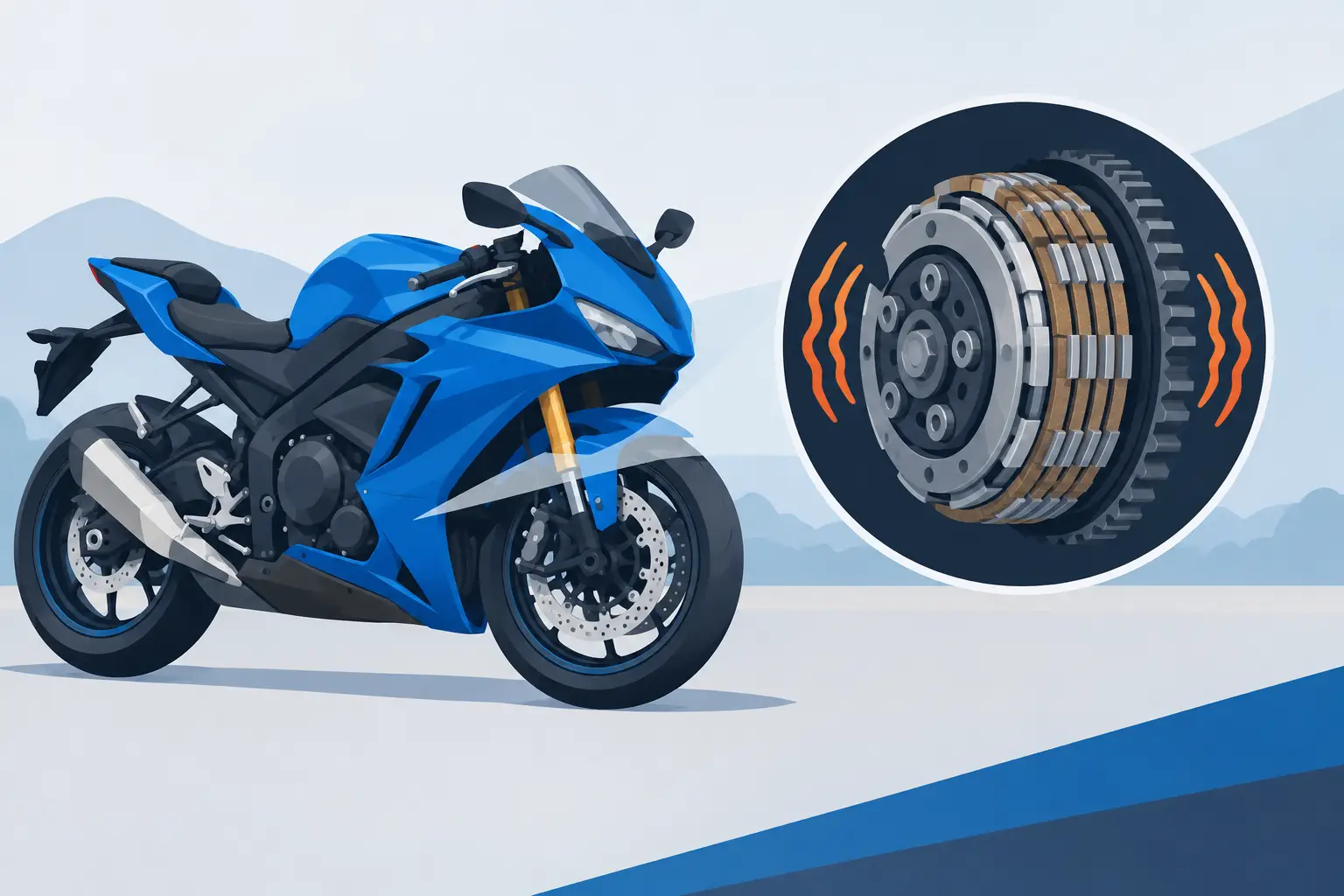
A clutch that grabs, pulses, or shudders as you leave the pits can turn a clean launch into a distraction. So, what causes clutch chatter? On a sport bike, it is usually not one mysterious failure. It is an uneven transfer of torque through the clutch pack, often caused by worn friction material, warped plates, contaminated oil, basket damage, or an incorrect setup.
Clutch chatter is most noticeable when easing out from a stop, during a hard launch, or when feeding power in at low rpm. The lever may feel normal, yet the bike bucks through the chassis. On a track-focused motorcycle, that inconsistency costs confidence and can make starts, pit exits, and slow-speed control harder than they should be.
What Causes Clutch Chatter? The Core Problem
A wet multi-plate clutch works by progressively squeezing alternating friction and steel plates together. When the surfaces are flat, clean, correctly lubricated, and supported by a sound basket and hub, engagement is controlled and predictable.
Chatter begins when that engagement happens in repeated micro-grabs rather than one smooth transfer. The plates bite, release, and bite again in rapid succession. You feel it as a vibration or judder through the engine, chassis, footpegs, and sometimes the clutch lever.
The hard part is that several faults can produce similar symptoms. A bike with old oil may chatter like one with warped steels. A notched clutch basket can mimic a worn friction pack. That is why inspection matters more than replacing parts at random.
Worn or Glazed Friction Plates
Friction plates are the first place to look, particularly on a bike that sees launches, track days, drag-style starts, or repeated stop-and-go street use. As the friction material wears, its thickness becomes inconsistent and its ability to grip evenly falls off. The result can be a clutch that engages in pulses.
Glazing is another common issue. Excessive heat can harden and polish the friction surface, reducing its controlled friction. A glazed plate may not always slip at high rpm. Instead, it can feel grabby at the exact point where the clutch should be smoothest.
Heat damage is often tied to rider use, but not always. An aggressive clutch setup, insufficient spring pressure, poor oil condition, or a previous slipping event can overheat a pack quickly. If the plates show discoloration, a shiny glass-like finish, crumbling material, or measure below the service limit, replacement is the right move.
Do not replace only the most visibly damaged friction plate unless the manufacturer specifically allows it and the rest of the pack measures correctly. On a performance bike, a complete matched pack provides more consistent engagement than mixing new and heavily used plates.
Warped Steel Plates and Heat Spots
Steel drive plates need to remain flat. A steel that has warped from heat will contact the adjacent friction plate unevenly. As pressure builds, the warped area grabs first, then the plate flexes or releases, creating the chatter you feel.
Blueing, dark heat marks, and obvious discoloration are warning signs, but a plate can be out of flatness without looking severely burned. Check each steel plate on a known-flat surface with a feeler gauge, following the motorcycle service manual’s limit. If you are rebuilding a clutch after a major overheat, replacing the steels along with the friction plates is often the more dependable race-prep decision.
There is a trade-off here. Premium steel plates and race-oriented clutch packs can improve consistency under hard use, but they still require correct stack height, proper oil, and a healthy basket. No clutch pack can compensate for damaged supporting hardware.
Notches in the Clutch Basket or Hub
Every time the clutch is engaged, the friction plate tabs load the fingers of the clutch basket. Over time, especially with hard launches and abrupt throttle transitions, the tabs can hammer small grooves into those fingers. The inner hub can develop similar wear where the steel plates locate.
Those grooves prevent the plates from sliding freely as the clutch is released. Instead of moving smoothly into engagement, they hang up and release in steps. That is a textbook source of low-speed clutch chatter.
Inspect the basket fingers and hub tangs carefully with the pack removed. Light witness marks may be normal. Deep grooves that catch a fingernail are not. Filing notches flat can appear to be an inexpensive fix, but it removes material and changes the contact surface. It may be acceptable as a temporary measure on some applications, but it is not the preferred solution for a machine you depend on at speed.
A quality replacement basket or hub restores plate movement and helps protect a new clutch pack from developing the same uneven engagement. For race-prepared bikes, this is also the time to confirm that the component is designed for the exact engine and clutch configuration. Fitment is not a detail to guess at.
Oil Contamination and the Wrong Oil Formula
Motorcycle wet clutches share oil with the engine and transmission on most sport bikes. That makes oil selection part of clutch performance, not a basic maintenance afterthought.
Old oil can carry clutch debris, fuel dilution, moisture, and overheated additives. These contaminants affect how the friction material behaves and can make engagement inconsistent. An oil level that is too high or too low can also create problems, though neither is the most common standalone cause of chatter.
The wrong oil is a more direct risk. Automotive oils containing friction modifiers may reduce friction enough to cause slip, shudder, or unpredictable clutch action in a wet-clutch motorcycle. Use the viscosity and specification required by the bike manufacturer, typically an oil carrying the correct JASO wet-clutch rating.
If chatter began shortly after an oil change, do not ignore the timing. Verify the product, viscosity, amount, and whether any additive was used. Fresh, correct oil can improve a marginal clutch, but it will not repair warped plates or a notched basket.
Incorrect Stack Height, Plate Order, or Installation
Clutch service rewards precision. A pack with the wrong total stack height may not receive the pressure it needs or may drag excessively. Too little stack height can reduce clamping force. Too much can prevent full release and create its own set of shifting and engagement issues.
Plate order matters as well. Some sport bikes use a judder spring, spring seat, special first friction plate, narrow friction plate, or specific orientation for selected plates. Slipper clutches can add ramps, pressure plates, and spring arrangements that must be assembled exactly as specified.
A common mistake is soaking new friction plates incorrectly. Most conventional wet-clutch friction plates should be soaked in the same compatible engine oil before installation, but follow the plate manufacturer and motorcycle manual if their instructions differ. Installing dry plates can lead to harsh initial engagement and premature damage.
Torque also matters. Unevenly tightened clutch spring bolts can distort pressure application. Use a calibrated torque wrench, tighten in stages, and respect the usually modest torque specification. These bolts are easy to overtighten, and stripped threads in the clutch hub are an avoidable repair.
Springs, Pressure Plates, and Slipper Clutch Setup
Weak, uneven, or heat-affected clutch springs can contribute to inconsistent clamping force. Measure free length when the manual provides a limit, and replace springs as a set. Mixing one new spring with several tired springs is false economy.
Inspect the pressure plate for heat checking, wear, and uneven contact. On bikes equipped with a slipper clutch, inspect the ramps, ball or ramp mechanisms, bearings, and related components for wear or binding. A slipper unit is designed to manage back-torque under downshifts, but poor assembly or damaged internals can complicate clutch behavior during engagement.
Do not assume a performance clutch automatically needs the stiffest available springs. Higher spring pressure can support torque capacity, but it also increases lever effort and may not solve chatter caused by basket grooves, warped steels, or poor stack height. Select the setup for the engine output, riding use, and clutch manufacturer’s specifications.
Cable, Hydraulic, and Engine Issues That Feel Like Chatter
Not every shudder originates inside the clutch pack. A cable with poor routing, corrosion, or incorrect free play can make engagement abrupt. Hydraulic systems can feel inconsistent when fluid is old, air is trapped in the line, or the master cylinder and slave cylinder are not operating cleanly.
Set lever free play to the motorcycle manufacturer’s specification. A cable adjusted too tight can prevent full clamping and overheat the clutch. One adjusted too loose can delay release and make low-speed control feel vague.
Engine tuning and driveline condition can add to the sensation. Rough low-rpm fueling, excessive chain slack, worn cush-drive rubbers, loose engine mounts, or a deteriorated rear tire can amplify a minor clutch issue. If the clutch checks out but the bike still bucks only at a certain rpm, inspect the full power delivery system rather than continuing to throw clutch parts at it.
A Smart Inspection Order for Clutch Chatter
Start with the simple checks: confirm correct oil, oil level, lever adjustment, and chain condition. Then assess when the chatter occurs. Is it only cold? Only after a hard session? Only on launch? Does it disappear at higher rpm? Those details narrow the likely cause.
If the problem persists, remove the clutch cover and inspect the pack, steels, basket, hub, springs, and pressure plate as a system. Measure plate thickness, steel flatness, spring length, and total stack height against the service manual. Photograph the parts during disassembly, especially on slipper-clutch applications, so plate order and special components go back correctly.
When replacement is needed, choose a clutch kit, basket, hub, or slipper-clutch component built for your exact motorcycle model and year. Race-grade parts deliver their value through precise fitment and repeatable performance, not simply through a more aggressive label. AXF Race Parts supports that approach with performance-focused components matched to the bikes riders actually bring to the track.
A smooth clutch is not just a comfort item. It lets you manage starts, corner exits, pit-lane speeds, and traffic with less drama. Diagnose the cause methodically, rebuild with compatible components, and your next engagement should feel like control instead of compromise.